Costa RicaCosta Rica

Search for Attractions


?

Arenal Volcano National Park

Last Updated: Nov 14, 2011

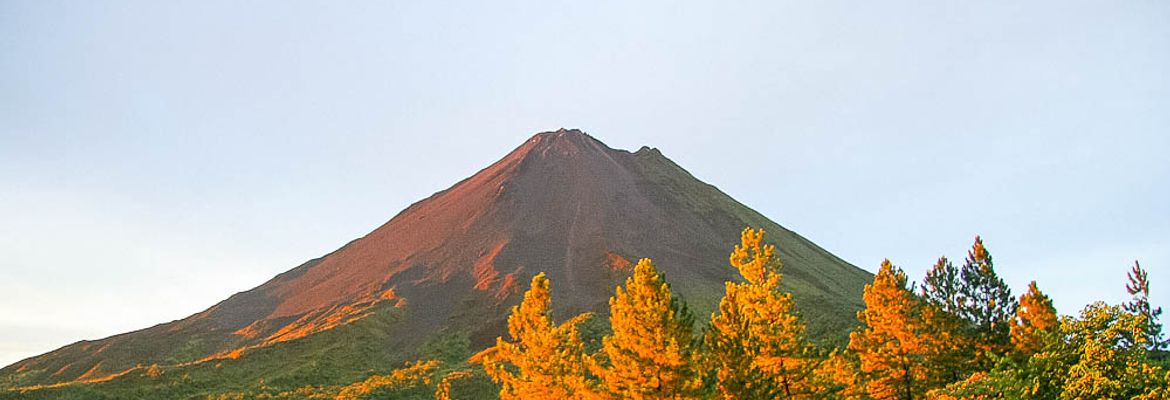
arenal volcano sunset national park
 - Costa Rica

Created in 1994, Arenal Volcano National Park is named after Arenal Volcano, one of the world's ten most active volcanoes. The nearly 30,000-acre park also encompasses nearby Chato Volcano, which located less than two miles southeast of Arenal. Chato Volcano, or Cerro Chato in Spanish, has been dormant for at least 3,500 years.

Quick Facts

Location: 80 miles northwest of San Jose
Area: 29,692 acres
Hours: 8 a.m. to 4 p.m. daily
Tel.: 2461-8499
Entrance Fee: $10.00

Photo Gallery

arenal-volcano-view-12.jpg

The Arenal region is host to several unique microclimates, including pre-montane forest and low montane rainforest, both of which are rich in biodiversity. The climates and habitats represented at Arenal Volcano National Park, which ranges in altitude from 3,281 feet to 5,436 feet, include cloud forest, tropical rainforest, lowland rainforest and regenerating rainforest. The assorted climate and habitat around the volcano provide for diverse wildlife, varying fauna and ever-changing temperatures and weather conditions. 

Since 1968, Arenal Volcano has been consistently active with small, daily eruptions known as strombolian activity. Explosions produce impressive ash columns and send boulders the size of houses careening down the slopes.  On clear nights, visitors enjoy fiery displays of lava and glowing boulders from the safety of several nearby lookout points, hotels and hot springs.

First-time visitors to Arenal Volcano National Park will be struck by the odd visual dichotomy of the area’s vibrant life and barren slopes. During the 1968 eruption, lava and molten rock destroyed much of the area’s trees and plant life, leaving behind ash-covered ground and black volcano rock. However, the area’s rich volcanic soil provided the ideal environment for forest regeneration, and today, full-grown trees and colorful flowers dot an ashen, volcanic landscape.

During the day, lava is difficult to see, so nature hikes and wildlife watching take center stage. At night, the best views of the volcano and its lava flow are from the southwestern side. Many night tours organize trips to the best lava viewing spots, though independent travelers can ask around town and drive out themselves.

History:

At approximately 3,000 years old, Arenal Volcano is considered a young volcano. Little is known about its early life, but it had been believed dormant from AD 1500 until 1968. In fact, adventure lovers, hikers and naturalists regularly ascended to the volcano’s summit, often camping out in the cool crater.

On July 29, 1968, disaster struck: for the first time in recorded history, Arenal Volcano erupted. Lava and magma exploded from the volcano, turning its once-green slopes to dots of red and gray ash. Eighty people and approximately 45,000 cattle, in addition to countless wildlife, were killed in the eruption.

The 1968 eruption destroyed several towns, including the original Arenal. Today, those towns lie flooded beneath Lake Arenal, which was created in 1979. The largest lake in Costa Rica, the 21,128-acre reservoir provides almost 50% of Costa Rica’s total electricity, as well as water for farming and irrigation. Arenal Volcano National Park, adjacent to Arenal Lake, is an important watershed, providing over 70% of the lake’s water.

Interestingly, Arenal Volcano’s return to active status was not through the old crater – on July 29, lava erupted from three new craters, shooting out enough lava rock to begin creating a new cone beside the old crater. Today, Arenal Volcano’s second cone is a few feet taller than the first, and together, they form what is considered the third-most perfect volcanic cone in the world.

Weather:

Average Temperature: 75 to 90º F 
Annual Rainfall: Up to 195 inches

Weather can be unpredictable with clouds rolling in at a moment's notice, obscuring Arenal's near-perfect cone.

Activities:

Experts estimate that approximately half of Costa Rica’s land-dwelling vertebrate species (birds, reptiles, amphibians and mammals) live in Arenal Volcano National Park. Hikes and nature walks are very popular in the park, and the best way to enjoy bird and wildlife watching.

Note that, for the safety of park guests, hiking is only permitted on marked trails. Additionally, due to the volcano’s toxic fumes and gases, visitors are not allowed to hike near the volcano's crater. This is a real concern – in 2000, toxic volcanic gases killed a tourist and his unlicensed guide while they were hiking close to Arenal’s crater.

Camping is not permitted in Arenal Volcano National Park. The Arenal Observatory Lodge is located in the national park and is the only place visitors can legally sleep within the park's boundaries. For a good view from outside the national park, many of the area’s mid-range and upscale hotels offer excellent vistas of Arenal Volcano.

Flora & Fauna:

Due to its diverse ecosystems, varying altitude and distinct habitats, Arenal Volcano National Park is the de facto headquarters for local wildlife. Hikers and wildlife watchers often report sightings of howler and spider monkeys, white-nosed coati, sloth, deer, fer-de-lance, boa constrictors, parrots, parakeets, black vultures, resplendent quetzals, trogon, hummingbirds, and motmots. Plenty of interesting ferns, heliconia, hardwoods and other fauna dot the landscape, as well. Make sure to ask your guide about the Sleepy Mimosa, and let the fun begin!

Facilities:

A ranger station and restrooms are located at the entrance to the park. Trail maps are available at the ranger station.

Trails:

The park has four trails that, strung together, span just over 5.5 miles. Be sure to ask park rangers about current safety concerns or trail closings due to volcanic activity.

Heliconias Trail: This 0.6-mile loop trail is the ideal introduction to the park and volcano, as it passes by the 1968 lava flow site. The trail has access to a longer 1-mile trail that leads to an overlook, which is less an overlook than an “overhear” – prepare for loud explosions from Arenal Volcano, since you’re close enough to hear its constant eruptions.

Las Coladas Trail: Mostly flat, this 1.25-mile trail winds around the base of the volcano, offering views of the 1993 lava flows. This trail connects directly with the Toucans Trail.

Toucans Trail: Continues from the Las Coladas Trail another 1.8 miles through dense, tropical rainforest. This is a great place for spotting wildlife, especially howler and spider monkeys in the trees. On the way back to the park entrance (the trail does not loop, so hikers must double-back), enjoy excellent views of the volcano summit.

Lookout Trail: Accessed from the park headquarters, and not the main entrance, the Lookout Trail leads down to Lake Arenal. Located at the base of the volcano, the trail offers awe-inspiring views of the 1968 and 1993 lava flows, as well as Chato Volcano and Arenal Basin.

Recommendations:

Light rain gear is advisable. While visitors can hike park trails on their own, several tour operators in La Fortuna offer guided hikes through the park, which often affords better wildlife viewing.

Getting There:

From La Fortuna drive west toward Tabacon Resort and continue 1.2 miles past Tabacon. Turn left on a hard-packed dirt road, following signs to Arenal National Park. 4WD is recommended during the green season. A taxi costs approximately $25-30 round-trip from La Fortuna to the western part of the volcano.

Nearby Destinations

Explore Arenal Volcano National Park With Us

Attraction Types

Arenal Volcano National Park Map

Wildlife Sightings

Stay Connected

Get updates, special deals and our monthly newsletter!

Subscribe to Topic