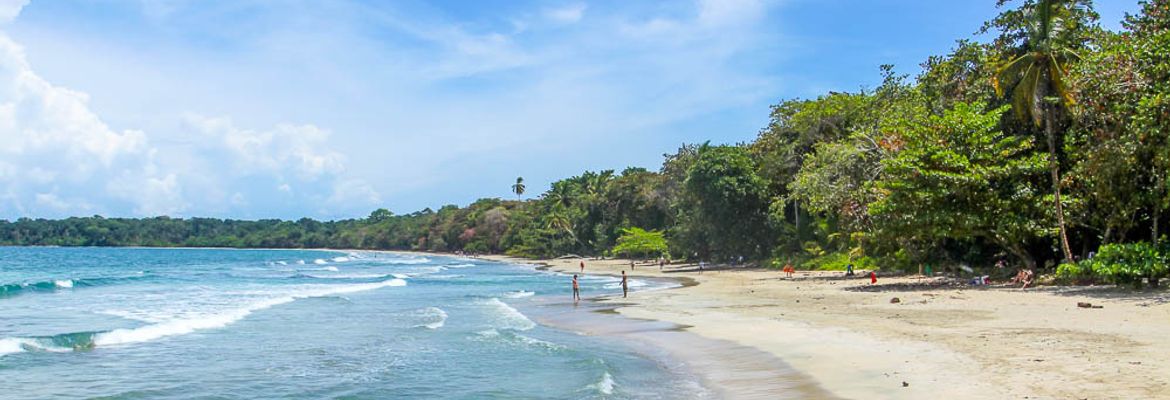
Cahuita National Park
Last Updated: Apr 05, 2013
Great hiking trails, diverse wildlife, sparkling beaches and informative nature tours await visitors to one of the Caribbean's most popular national parks. Off the coast, 55,000 protected marine acres house almost 600 acres of living coral reef, one of only two in the country.
Quick Facts
Location : Cahuita
Altitude : Sea level
Area : 2,732 terrestrial acres & 55,000 marine acres
Hours : 8 a.m. to 4 p.m. daily
Telephone : 2755-0461 or 2755-0302
Entrance Fee : $8.00
Photo Gallery
The park begins at the southern edge of Cahuita, a town that helps administer the park and guard its heritage, and continues south to Vargas Point. Its lowland rainforest protects white-faced monkeys, howler monkeys, two-and three-toed sloths, armadillos, green iguanas, coatimundi, blue fiddler crabs, several bat species, armadillos, parrots and many snake species. Its coral reefs host more than 35 species of coral and 400 species of fish, including graceful sea fans, colorful sunfish and sharks.
Weather:
Cahuita National Park is generally hot and humid year-round. Unpredictable rain showers are common in the area, though the drier months are March-May and September-November.
Activities:
Bird and Wildlife Watching: Hikers in Cahuita National Park are guaranteed some of the best wildlife watching in the country. The southern Caribbean is populated with howler and white-faced monkeys, two and three-toed sloths, toucans, iguanas, butterflies, frogs and other wildlife. Guided nature tours are highly recommended.
Turtle Tours: The park’s southern tip is considered an important nesting site for three turtle species including the leatherback. Be sure to check with park rangers before walking through turtle nesting areas.
Hiking: Cahuita National Park is an excellent option for light hikes along mostly sandy trails. Near mangrove swamps, the park has built raised trails with recycled plastic decking. Several area tour operators offer informative hiking tours. During heavy rains, the trails may be very muddy and difficult to navigate.
Scuba Diving: When the waters are calm and the visibility is good, divers can enjoy more than twenty dive sites between Cahuita and Manzanillo, which together are home to Costa Rica’s only two living coral reefs. The colorful, underwater worlds are full of life, including angelfish, triggerfish, shark and parrotfish. Off of the park’s coast, two shipwreck dives include cannons and other antiquities. Local dive shops offer two-tank dives starting from $65 per trip.
Snorkeling: Snorkelers can also experience the area’s coral reefs. For the best visibility, visit Cahuita National Park from February-April, when the ocean waters are relatively free of river silt. Snorkeling equipment can be rented from hotels and beachfront kiosks.
Swimming: The park’s two beaches, Playa Blanca and Playa Vargas, stretch for almost nine miles. Both are excellent for sunbathing, but swimmers should always check with park rangers before entering the water – tides can be strong, and are subject to constant change depending on the weather.
Canoeing: Several tour operators offer relaxing canoe trips down area rivers, many of which empty into ocean waters protected by the national park. Canoe trips are a wonderful way to see a quieter, less-touristy part of the park, and the nature guides are an excellent resource for park information and wildlife spotting.
Trails:
A 4.4-mile coastal walking trail leads from the Kelly Creek Ranger Station south to Puerto Vargas. This is an excellent trail for wildlife viewing, since it sticks close to the coast, where monkeys and sloths often dine in the trees above. Be sure to ask at the ranger station before beginning this hike; the Sloth River vivisects this trail, and during high rains it can be very dangerous to cross.
Those that complete the 4.4-mile coastal trail must either turn back towards Kelly Creek, or hike an additional 1.2 miles to the Puerto Vargas Ranger Station. From Puerto Vargas, hikers may catch a public bus or walk back to Cahuita.
Flora & Fauna:
Playa Vargas, at the southern tip of Cahuita National Park, is an important nesting site for leatherback sea turtles. Leatherback turtles return to their place of birth for nesting, so each egg-laying female at the park was born on Playa Vargas. Nesting season lasts from March-July. Three other species of marine turtle lay their eggs on the beaches here: the green nest July through October, and the hawksbill and loggerhead turtles from February through May.
Monkeys, sloths, iguanas and other tree-dwelling animals are common sightings at the park, augmented by rummaging armadillos and coatimundi, vibrantly-colored venomous snakes, several species of bat and many other animals.
At Cahuita Point, located at the end of Playa Blanca, troops of white-faced monkeys often beg tourists for food. Please do not feed the monkeys. High-calorie fruits and nuts are bad for their health and may encourage a dependence on humans and lead to aggressive behavior.
Facilities:
Cahuita National Park has two ranger stations. At the north end, near Cahuita town, the Kelly Creek Ranger Station (2755-0461) charges no admission fee, but a voluntary donation is requested. To the south, the Puerto Vargas Ranger Station (2755-0302) charges $8 admission.
Recommendations:
- Rain Gear: The weather is often unpredictable within the national park, so it is best to go prepared.
- Insect Repellent: Mosquitoes and other biting insects are common along Cahuita National Park’s coastal hiking trails, so take plenty of insect repellent on your hike.
- Cool Clothing: This area is often hot and humid, so dress in cool, cotton clothing. Don’t hesitate to wear your bathing suit, as quick ocean dips are a very enjoyable way to keep cool.
- Hire a naturalist guide: It cannot be stressed enough that guides are worth every penny – they are full of interesting facts and information and know exactly where to look for camouflaged wildlife.
Getting There:
The Kelly Creek entrance to Cahuita National Park is located at the southern end of Cahuita, just a few blocks from downtown. To reach the Puerto Vargas Station, follow the main road (Route 36) south toward Puerto Viejo; less than a mile south of the main entrance to Cahuita, road signs will guide you to Puerto Vargas.
Nearby Destinations
Explore Cahuita National Park With Us
Attraction Types
- Beaches (1)
- Farms (1)
- Gardens (9)
- Hot Springs (5)
- National Parks (27)
- Plantations (4)
- Reserves (22)
- Volcanoes (16)
- Wildlife Refuges (28)
Cahuita National Park Map
Wildlife Sightings
Stay Connected
Get updates, special deals and our monthly newsletter!
