Manuel Antonio National Park
Last Updated: Nov 14, 2011
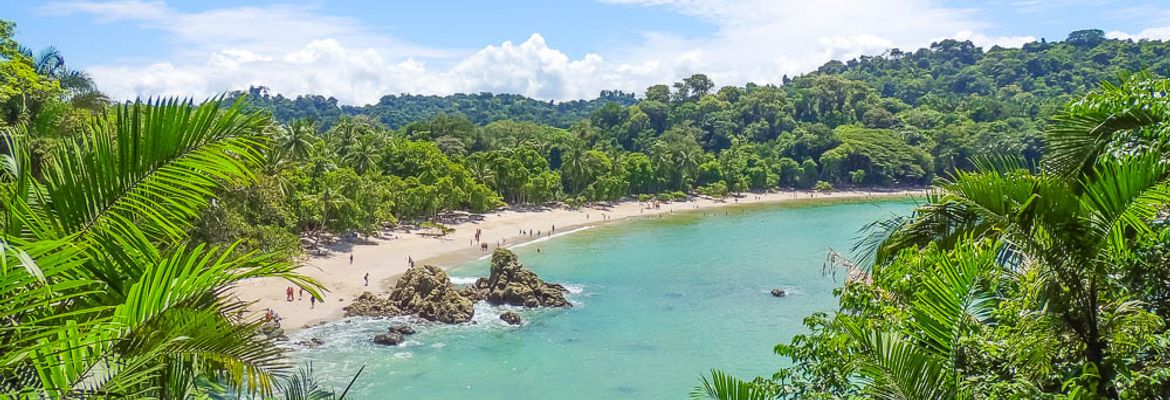
Manuel Antonio is the most visited national park in Costa Rica, attracting over 250,000 people each year to its wide beaches and troops of monkeys that frequent the area. The park consists of mangrove swamps, primary rainforests and marshy woodlands and is bordered by the clear waters of the Pacific Ocean. It is a haven for over 100 mammal species including the highly endangered squirrel monkey.
Quick Facts
Location: Manuel Antonio; 110 miles from San Jose
Area: 1,700 land acres and 135,905 marine acres
Hours: 7 a.m. to 4 p.m. closed Mondays
Tel.: 2777-0644 or 2777-5185
Entrance Fee: $10.00
Photo Gallery
The park has white sand beaches ideal for swimming, and forest trails snake along the coast to breathtaking lookout points. The area is one of the best places in the country for viewing wildlife. The local association of licensed tour guides is located just outside the park entrance. Visitors can hire their own naturalist guide for around $20 per person to tour the national park – a great deal considering the guides are well-versed in native flora and fauna, and the income helps support the local economy.
There are several islands within the park’s boundaries that serve as important nesting grounds for birds like the brown booby, frigate bird and anhinga. The shores are also occasional nesting grounds for Olive Ridley and Pacific green turtles. The park is accessed by crossing the Camaronera stream that varies in depth from ankle to knee-deep. Visitors can opt to take a water taxi across this stream (for $1) or hop along the rocks as the stream is passable, even at high tide.
Weather:
Annual Rainfall: 151 inches
The driest months are January and February with August and September being the rainiest. The average temperature is 81- 86° F.
Activities:
Bird and wildlife watching and hiking are the park’s main attractions. Visitors can sunbathe or swim in the warm waters of the three secluded beaches. Camping is not permitted in the park.
Facilities:
There is an administration and information office located within the park where environmental research projects are headquartered. Along the shore are picnic tables, restrooms, showers, potable water and a pay phone. Several trails wind through the park and are well-marked and maintained.
Trails:
Take your pick of any one of five short trails that meander through the park, passing scenic overlooks and pristine beaches. The most popular trail is the small loop that takes visitors around Punta Cathedral and ends with a wonderful view of the Pacific. All trails have good signs and are well-maintained.
The 1.3 mile Main trail is a flat, sandy path that links several beaches. It is an easy trail and the most popular with visitors. Most of the guided hikes slowly make their way along this trail which passes by mangrove swamps on its way to the beaches.
The Punta Cathedral trail branches off to the right of the main trail and circumnavigates Cathedral Point (an outcropping of land that used to be an island but is now joined to the mainland). There are several lookout points from here. The trail is steep in some sections and can be muddy and slippery in the rainy season.
The Trampa trail is a short trail that links the beginning and end of the Punta Catedral trail, making a loop.
The one-mile Playa Gemelas / Punto Escondido trail leads to two other beaches of the same name.
The Mirador trail is a more difficult .85 mile climb to a beautiful lookout point.
Flora and Fauna:
Manuel Antonio National Park is home to myriad wildlife, including the highly endangered squirrel monkey. Only a few troops of these primates are left in Costa Rica. White-faced monkeys, sloths, coatimundis and howler monkeys are all frequently sighted. Central American whiptail and brown basilisk lizards hide in the fallen debris, and many species of birds conceal themselves in the variety of vegetation.
There are 12 offshore rocky islands harboring pelagic birds such as the brown booby, frigate bird and pelican. Over 44 acres of mangrove swamps harbor three species of mangrove, hundreds of birds and caiman.
There are warning signs about the manzanillo tree near the park entrance. Its fruit, similar to green crabapples, is toxic, as are the leaves and bark. The sap is a skin irritant and should be avoided. The black spiny iguana is the only animal immune to the manzanillo’s toxin, and the fruit makes up a large part of the iguana’s diet.
Beaches:
The park contains three stretches of beautiful beaches, each shaded by enormous coconut palms and almond trees.
Playa Espadilla Sur is the first and longest white sand beach in Manuel Antonio National Park. It is the long, wide beach off to the right of the main trail. It is often less crowded than the other beaches and is perfect for strolling at low tide. The surf can be strong at times, and swimming should be done with caution.
Playa Manuel Antonio is a popular beach among tourists and locals. Many families and school children visit this stretch of beach as it offers restrooms, picnic tables, drinking water and showers. The coastal almond trees provide plenty of shade, and gentle currents make this sheltered shore a favored swimming spot.
Playa Gemelas is reached by hiking the short Playa Gemelas trail from the gravel road. This beach is typically uncrowded. The strong currents and hidden rocks beneath the surface make swimming difficult, if not dangerous. There is a more secluded section of this beach accessible at low tide by walking around a small rock outcropping.
The trail to Playa Puerto Escondido is closed. Playa Playitas is farther away and reachable only by boat.
Guides: $20 per person, available for hire outside the park entrance beside the road. Advance reservations are available at any tour office or hotel. Only certified guides who are members of the Aguila Association are permitted to lead tours.
Recommendations:
1. If hiking solely on the main sandy trail, flip flops or other light foot wear is adequate. If hiking on the other trails, more sturdy footwear like boots or walking shoes are needed, as the paths are sometimes steep and slippery.
2. Keep in mind that curious animals like monkeys and raccoons are watching your backpack in hopes of a treat; please do not feed the wildlife as it leads to aggressive behavior and an unhealthy dependence on humans.
3. If you want the park's glorious beaches all to yourself, go early. The park opens at 7 a.m. and most visitors go with a local guide between 8:30 and 9:00 a.m. Tourist groups slowly make their way along the trail that leads to the beach, spotting the diverse wildlife in the park. Hiring a guide is recommended for observing all of the park's hidden residents.
4. A bandana, towel and bathing suit are highly recommended: the water is irresistible. It is hot and humid in the area, so bring plenty of drinking water.
Nearby Destinations
Explore Manuel Antonio National Park With Us
Attraction Types
- Farms (1)
- Gardens (8)
- National Parks (27)
- Plantations (4)
- Reserves (22)
- Volcanoes (16)
- Wildlife Refuges (27)
Manuel Antonio National Park Map
Wildlife Sightings
Stay Connected
Get updates, special deals and our monthly newsletter!
