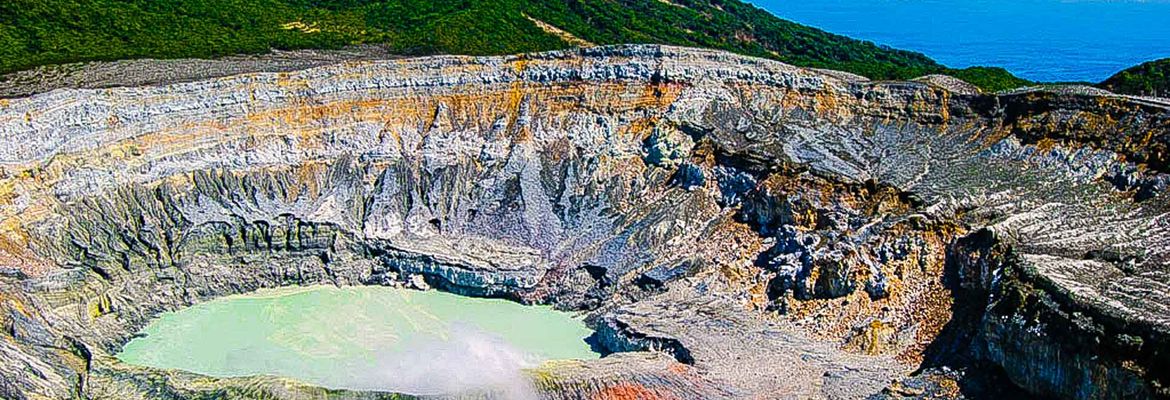
Poas Volcano National Park
Last Updated: Apr 15, 2012
The accessibility, spectacular views and otherworldly craters of Poas Volcano make it one of the country's most popular national parks with more than 175,000 visitors each year.
Quick Facts
Location: 23 miles north of Alajuela
Altitude: 8,900 feet above sea level
Area: 16,000 acres
Hours: 8 a.m. to 3:30 p.m. daily
Tel.: 2482-2165
Entrance Fee: $10.00
Photo Gallery
Just over a two hour drive from San Jose or Alajuela, the park is wheelchair accessible, has paved roads and a sensational view of the second-widest crater (9/10th of a mile) in the world. Poas is one of Costa Rica’s five active volcanoes and has erupted several times over the past century, sending huge ash clouds into the air.
The park is blanketed in giant ferns and poor man’s umbrella plants, their massive leaves nearly three feet in diameter. The acid rains generated by the volcano allow few other species to flourish in the area. From the crater lookout, visitors can observe a lagoon of aquamarine water. At a depth of nearly 1000 feet, it is the largest volcanic lagoon on Earth.
Poas is comprised of three craters, only one of which is active. One of the dormant craters has transformed into a cold-water lagoon, known as Botos Lake, which flows down the mountain and feeds the Sarapiqui River.
The park contains four major habitats: arrayans, cloud forest, stunted forest and areas with little or no vegetation. Hikers will be pleased to learn that this is the most accessible active volcano in the world, though not all may consider accessibility to a live volcano a positive attribute.
Several tour companies in San Jose offer excursions to the volcano, often including stops at other area attractions such as coffee plantations or butterfly farms. Tours usually run between $45 and $80 and include transportation, a naturalist guide and lunch.
Weather:
Annual Rainfall: 140 inches
Temp: 45 °F – 70 °F
Facilities:
There is a visitor center with a small cafe, gift shop, museum and auditorium.
Trails:
Hiking is permitted on the park’s three marked trails. Crater Trail is a 2,460 foot-long paved path to the lookout of the main crater. Botos Lake Trail is a half mile trail that winds through chilly cloud forest to a cold-water lake that occupies an extinct volcano crater. The thirty minute hike ends at a wonderful spot for a picnic. Escalonia Trail starts at the picnic grounds and, with fewer hikers, is the quietest of the three trails.
Flora & Fauna:
The park is home to eighty or more species of birds, including sooty robins, black guans, the resplendent quetzal, toucans, flame-throated warblers, squirrel cuckoos, great curassows, purple-throated mountain gems, golden-hooded tanagers and hummingbirds. Less commonly seen are Baird's tapirs, coyotes, squirrels, rabbits and bats. Vegetation includes orchids, royal broom zorrillos and poor man's umbrellas, famous for having the largest leaves of any plant in Costa Rica.
Places to Stay:
There are no hotels within the park, however the quaint town of Poasito is dotted with rustic cabins, some with heaters or a fireplace. Cabins usually rent for $30-40 per night. In nearby Vara Blanca, Poas Volcano Lodge is a delightful inn with 12 well-appointed suites. The lodge’s architecture conjures up images of an English cottage with its exposed beam ceilings, sweeping arches and rough-hewn walls made of stone. Suites come equipped with a large bathtub, in-room heater, wireless internet and a French Press for morning coffee or tea.
Recommendations:
The best time to visit the park is during the dry season (December through April) when crater visibility is most consistent. Visitors are more likely to get a glimpse of Poas Volcano in the early morning, though clouds can roll in and out periodically throughout the day. Don’t forget to bring a light jacket or sweater as daytime temperatures can dip into the 50’s. Weekends are always more crowded, as Costa Ricans pour in from San Jose and surrounding cities.
Getting There:
Taxi: A taxi from San Jose to the main entrance of the park costs between $55 and $60 dollars (up to four people are allowed in one taxi). A taxi from San Pedro de Poas costs $25 - $30.
Public Bus: There are two buses from San Jose to Poas Volcano. A private bus leaves from Parque La Merced Sundays at 8 a.m. The bus stops at Restaurant El Poas in the hamlet of Poasito and arrives at the park around 10 a.m., returning to San Jose at 1:30 p.m.
From San Jose: A TUASA bus departs from Avenida 2, Calles 12/14 in San Jose at 8:30 a.m. that makes one stop in Alajuela's main bus terminal around 9:00 a.m. en route to Poas Volcano. The journey is usually a little more than 2.5 hours each way, and only one return bus departs Poas for San Jose (via Alajuela) at 2:30 p.m. The cost is $7.15 round-trip. 2442-6900
Car: From San Jose take Highway 1 to Alajuela. Follow signs into town on Calle 2. Continue on this road all the way through Alajuela, following numerous signs to Poas. The route is scenic and takes roughly one and a half hours. Alternatively, from San Jose, take highway 3 or 5 to Heredia, then 126 north through Barva and Roble to Varablanca where you drive west toward Poasito, following signs six miles farther to Poas Volcano National Park.
Nearby Destinations
Explore Poas Volcano National Park With Us
Attraction Types
- Farms (1)
- Gardens (8)
- National Parks (27)
- Plantations (4)
- Reserves (22)
- Volcanoes (16)
- Wildlife Refuges (27)
Poas Volcano National Park Map
Wildlife Sightings
Stay Connected
Get updates, special deals and our monthly newsletter!
