Costa RicaCosta Rica

Search for Attractions


?

Tenorio Volcano National Park

Last Updated: Aug 03, 2011

rio celeste waterfall 
 - Costa Rica

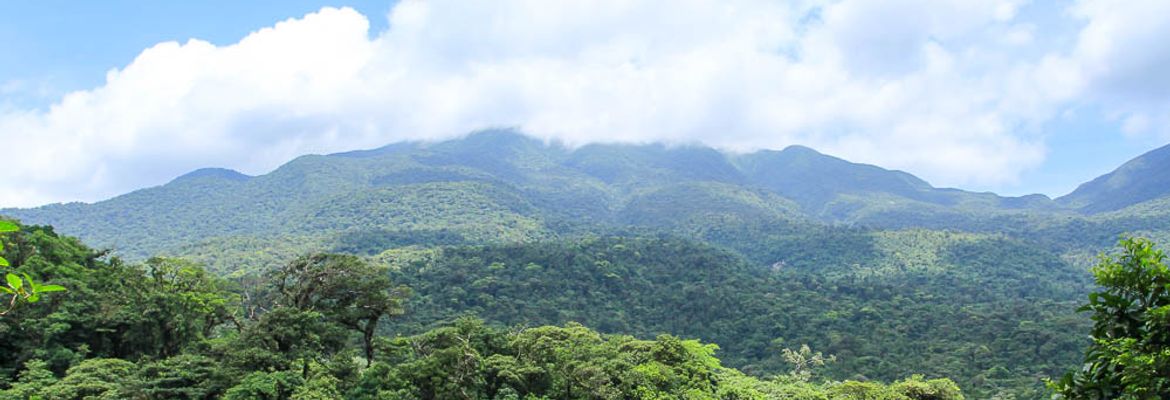
Exhilarating hiking trails wind around thermal geysers, bubbling mud pots, and hot springs at Tenorio Volcano National Park. Featuring four peaks and two craters, Tenorio is a trailblazer's paradise. One path begins at 2,297 feet above sea level, from where it is a mere hour and a half journey to get to one of the park's most gorgeous water-filled basins. Along the way, visitors will discover scenic vistas, stunning volcanic formations, and the incredible Celeste River.

Quick Facts

Location: 100 miles northwest of San Jose
Altitude: 6,286 feet above sea level
Area: 31,794 acres
Hours: 8 a.m. to 4 p.m.
Tel.: 2695-5982 or 2466-8610
Entrance Fee: $10.00

Photo Gallery

rio-celeste-blue-water-river-2.jpg

Videos

Celeste River Waterfall - Costa Rica

The Celeste River, locally known as the Rio Celeste, is one of the park’s many highlights. It is called the celestial blue river because its water is quite literally dyed teal and baby blue by a chemical combination of sulfur and calcium carbonate. The river doesn’t smell like sulfur, but the natural chemicals do add a milky blue luster. Once or twice per year, a number of natural conditions combine, and the famed Celeste River Waterfall also glows blue.

The Celeste River’s presence is evident throughout the park – in addition to the stunning waterfall, there is an impossibly blue pond, a “dyed” section where the Celeste empties into a clear river, and a natural hot spring. A four-to-five-hour loop trail takes tourists on a best-of hike through all of the Celeste hotspots.

Baird’s tapirs, endangered relatives of the rhinoceros, are known to gather around Tapir Lake at twilight for an evening sip of water. The trail to this lagoon is challenging and satisfying, especially at dusk when the animals tend to bathe. A tapir encounter is especially rewarding, as the rare creatures spend most of their lives hiding from predators. Elusive ocelots and jaguars are also known to frequent the area.

Tenorio is a short daytrip from the nearby cities of Arenal, Liberia, Bagaces, and Canas. The national park is remote and tranquil in comparison to its highly visited sister peak, Arenal.  This is largely due to the fact that no public transportation runs directly to Tenorio. Instead, visitors can take a bus as far as Bijagua and from there take a taxi 30 miles to the park’s entrance. This isolation makes the park an ideal choice for adventurers looking for a unique volcanic experience without the tourist crowds so common in more popular destinations.

Activities:

Bird and Wildlife Watching: Because it is so secluded, Tenorio offers an astounding habitat for flora and fauna.  Frequently sighted species include spider monkeys, pumas, tapirs, howler monkeys, collared peccaries, ocelots, white-faced monkeys, hawks, and turkey vultures.

Hiking: Hike the area’s beautiful trails, ranging in difficulty from short and easy to moderately long and challenging. The trail to Tapir Lake can be slippery, so wear proper hiking gear and hire a guide for the best experience. Local guides can be hired for day tours to the Rio Celeste for about $50.  Tours include lunch, transport, and a knowledgeable guide.

Horseback Riding: Horseback riding excursions through the park are offered from several nearby lodges.

Swimming: If you like to get wet, bring a swimsuit and towel to soak up Tenorio Volcano's soothing thermal waters. Volcanic clay provides an organic spa treatment when it is rubbed over the body and washed off in the area’s natural hot tubs. When the hike gets difficult, take a break for a dip in the cool Celeste River and its magnificent waterfall.

Facilities:

Visitors can pick up a trail map at the ranger station located near the park’s entrance. The station also has restrooms, potable water and first aid kits. Several nearby lodges also offer tourist information, guides, and a starting point for some of the park’s best trails.

Getting There:

From San Jose, take the Interamerican Highway north to Naranjo. Here the road will split.  Go northeast to Ciudad Quesada and then on to Upala. Turn towards Bijagua, and then follow the road for 30 miles to the park.

Alternatively, travelers can take the Interamerican Highway from San Jose to Canas. Six miles after Canas you will find the turnoff to Bijagua. The park is roughly 20 miles farther.

Nearby Destinations

Explore Tenorio Volcano National Park With Us

Attraction Types

Tenorio Volcano National Park Map

Wildlife Sightings

Stay Connected

Get updates, special deals and our monthly newsletter!

Subscribe to Topic