Costa RicaCosta Rica

Search for Attractions


?

Tortuguero National Park

Last Updated: Nov 14, 2011

tortuguero national park canals boat
 - Costa Rica

Host to more than 100,000 visitors each year, Tortuguero National Park is the fourth most visited national park in Costa Rica. Created in 1975, it teems with wildlife, both aquatic and land-based, including many species of waterfowl and the elusive jaguar. It is also an important nesting site for the endangered green sea turtle and, to a lesser degree, the leatherback, loggerhead and hawksbill turtles.

Quick Facts

Location: 155 miles northeast of San Jose
Altitude: Sea Level
Area: 77,032 land acres & 113,014 marine acres
Hours: 6 a.m. to 6 p.m.
Tel.: 2710-2929
Entrance Fee: $10.00

Photo Gallery

adult-caiman-tortuguero-2.jpg

Videos

Tortuguero Canal Tour - Costa Rica Tortuguero Wildlife Watching - Costa Rica

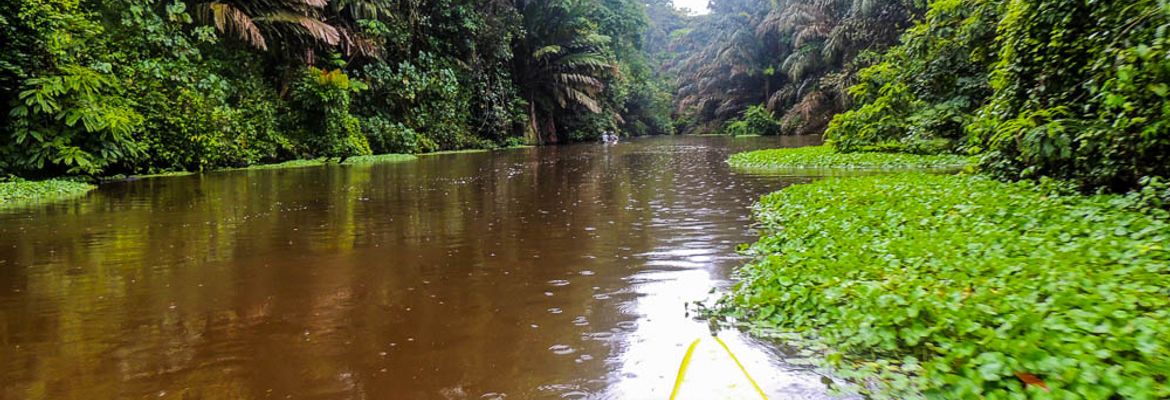
The park has a network of both natural and man-made canals that connect with a series of rivers and lagoons. These lush waterways can be toured by flat-bottomed boat, kayak or canoe and offer the best opportunity for bird and wildlife watching.

Tortuguero National Park is also comprised of protected beaches and densely vegetated rainforest with a few hiking trails. Each year, primarily from July through October, Tortuguero visitors can join an evening turtle tour to observe some of the thousands of green sea turtles nesting on the beach.

The humid rainforest and canals are a paradise for birdwatchers and nature lovers. The best way to see as much wildlife as possible is with an experienced naturalist guide. A three-hour boat tour of the park’s canals costs about $25 with a local guide.

Tortuguero has several attractive lodges that offer packages including meals, lodging, transport to and from San Jose, and tours. Visitors who prefer independent travel can find accommodations in the village at one of the mid-range hotels or budget hostels. Canoes and kayaks can be rented either through a local tour operator or one of the all-inclusive lodges. 

Weather:

Average daytime temperature: 87° F
Average night temperature: 69° F

Tortuguero’s annual rainfall averages 175-235 inches. The climate is humid and very hot, with frequent showers. The driest months are February-March and September-October. Visitors should anticipate two types of rain: brief afternoon showers and the long Caribbean drizzle that can last up to two weeks.

Beaches:

The deserted beaches are perfect for strolling, but only between dawn and dusk (5 a.m. to 6 p.m.) from March-October. Strong currents and the occasional presence of bull sharks and stingrays make the ocean unsafe for swimming.

Activities:

Visitors can participate in evening turtle tours to observe nesting green sea turtles from July through October. These tours can be arranged in the village or with a lodge, but are only permitted with licensed guides. Camping is permitted at the Cuatro Esquinas ranger station, just a few blocks south of Tortuguero village. The cost is $2 per day and potable water and restrooms are available.

Canoeing or kayaking in the canals is a great way to spot wildlife. Sport fishing boats can be chartered in Tortuguero to patrol the canals, river mouths, and Atlantic Ocean. Many fishing captains also travel to nearby Parismina or Barra del Colorado where giant tarpon and snook can be taken all year around.

Flora & Fauna:

Four species of sea turtles – the green, leatherback, hawksbill and loggerhead – nest on the beaches of Tortuguero. The green sea turtle comes ashore more frequently than the other three species. The world’s largest sea turtle, the leatherback, nests in Tortuguero from March through June. The beautiful hawksbill sea turtles come ashore in even smaller numbers from March through October; August is the peak month.

There is an abundance of wildlife and plant diversity in the park’s gallery forests and aquatic trails. More than 400 species of trees, 2,200 species of plants, 375 species of birds, 125 mammal species and 124 species of reptiles are found here. Common sightings include tiger herons, green herons, great blue and little blue herons, toucans, anhingas and egrets.

Sloths, basilisk lizards, green iguanas and caimans, as well as howler, spider and white-faced monkeys are common. Although rarely sighted, tapirs, jaguars and manatees are native to the area. Native flora include the hawk tree, crab wood, banak, bully tree and dove wood, as well as aquatic lilies, monkey ladder and wild plantain.

Facilities:

There are three ranger stations located within Tortuguero National Park:

  • Cuatro Esquinas Station is at the south end of Tortuguero village. This station is accessible by boat from the lodges, or on foot through the village. Cuatro Esquinas is the most visited station and offers a small educational visitor center and park maps.
  • The Jalova Station, accessible by boat from Parismina, is at the southern boundary of the park. This station has a short hiking trail as well as bathrooms and a picnic area.
  • The Aguas Frias Station is on the western border of the park. Visitors can arrive here by car, after passing through Guapiles and Cariari.

    Trails:

    • Cuatro Esquinas Ranger Station: Here you will find the El Gavilan trail. It winds between the forest and the beach for 1.2 miles behind the station.  Two other trails nearby, La Ceiba and La Bomba, ascend Cerro de Tortuguero (Tortuguero Hill).
    • The Sector Jalova Ranger Station:  The El Toucan trail begins at the station and parallels the Cano Negro waterway.
    • The Aguas Frias Ranger Station: There is a scenic lookout point at the Lomas del Sierpe (1,000 feet), reached by the Los Raudales Nature Trail.
    • Cerro Tortugero: Cerro Tortuguero, or Tortuguero Hill, is located just a few miles east of Tortuguero village. The 500-foot climb is steep, but the scenic lookout from the top is breathtaking. 

    Places to Stay:

    Small cabins and comfortable mid-range hotels can be found in the village of Tortuguero.  Reservations are a good idea during the high season months of December-May, and also during peak turtle nesting season (August-September). There are several rustic, riverfront lodges located on the surrounding canals that offer two to four-day all-inclusive packages including transportation to and from San Jose.

    Recommendations:

    • Bring lots of insect repellent for beach walks and rainforest hikes. 
    • Pack dark clothing for evening turtle tours. 
    • Tour the park with an experienced naturalist guide – you will see much more wildlife this way

      Getting There: 

      Tortuguero is only accessible via plane or boat. There are no roads leading into the village itself.  There is a small airstrip north of the village and daily flights to and from San Jose are available with local carriers. The bus/boat route from San Jose is a 155-mile journey that can take anywhere from five to seven hours.

      One of the simplest ways to travel to Tortuguero is to book an all-inclusive package with one of the lodges. Packages include food, lodging, guides and transportation to and from San Jose. If you choose to travel on your own to Tortuguero, here's how:

      From San Jose via Cariari
      The cheapest and most common route to Tortuguero is through Cariari and La Pavona. Buses depart for Cariari (approximately $2.30) from San Jose’s Gran Caribe Terminal. The trip is less than two hours and stops in Guapiles for a bathroom break. From Cariari, buy a ticket to La Pavona (about $1.75) at the central bus terminal. Boats depart for Tortuguero from La Pavona. These public water taxis (approximately $2.80) are timed to meet the buses, so wait time is minimal.

      From San Jose via Moin
      Take the 6:30 a.m. bus to Limon (about $3.30) from San Jose’s Gran Caribe Terminal. If possible, purchase your ticket one day in advance as the bus is often full. From Limon, take a taxi to the boat docks in Moin where boats depart for the Tortuguero canals (the JAPDEVA docks). The cost is roughly $7 for the six-mile trip to the docks.

      In Moin, boat prices can vary from $30-$50 per person. These are water taxis and don't have a fixed daily service. The return trip to Moin departs Tortuguero at around 10:00 a.m. Travelers should arrive in Moin before 1:00 p.m. This will give you plenty of time to get back to San Jose during daylight hours. 

      Nearby Destinations

      Explore Tortuguero National Park With Us

      Attraction Types

      Tortuguero National Park Map

      Wildlife Sightings

      Stay Connected

      Get updates, special deals and our monthly newsletter!

      Subscribe to Topic