Tortuguero
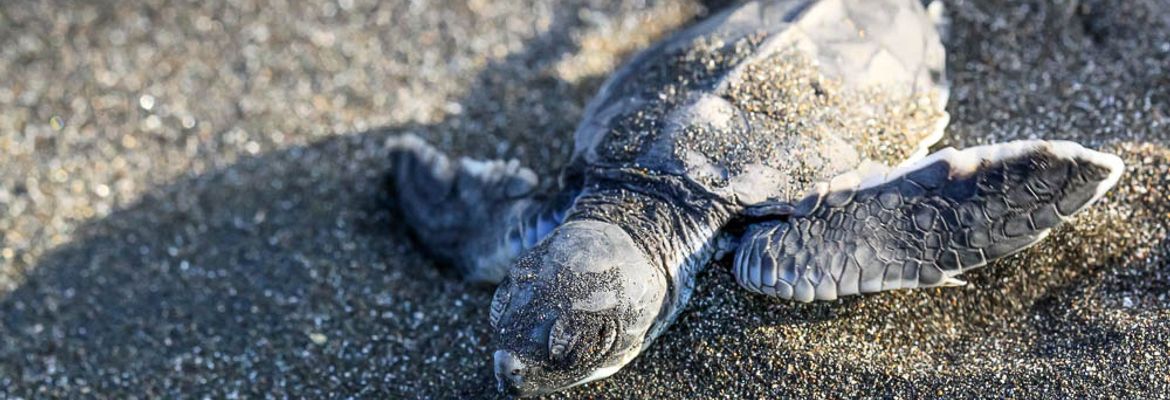
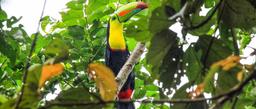
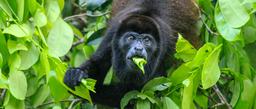
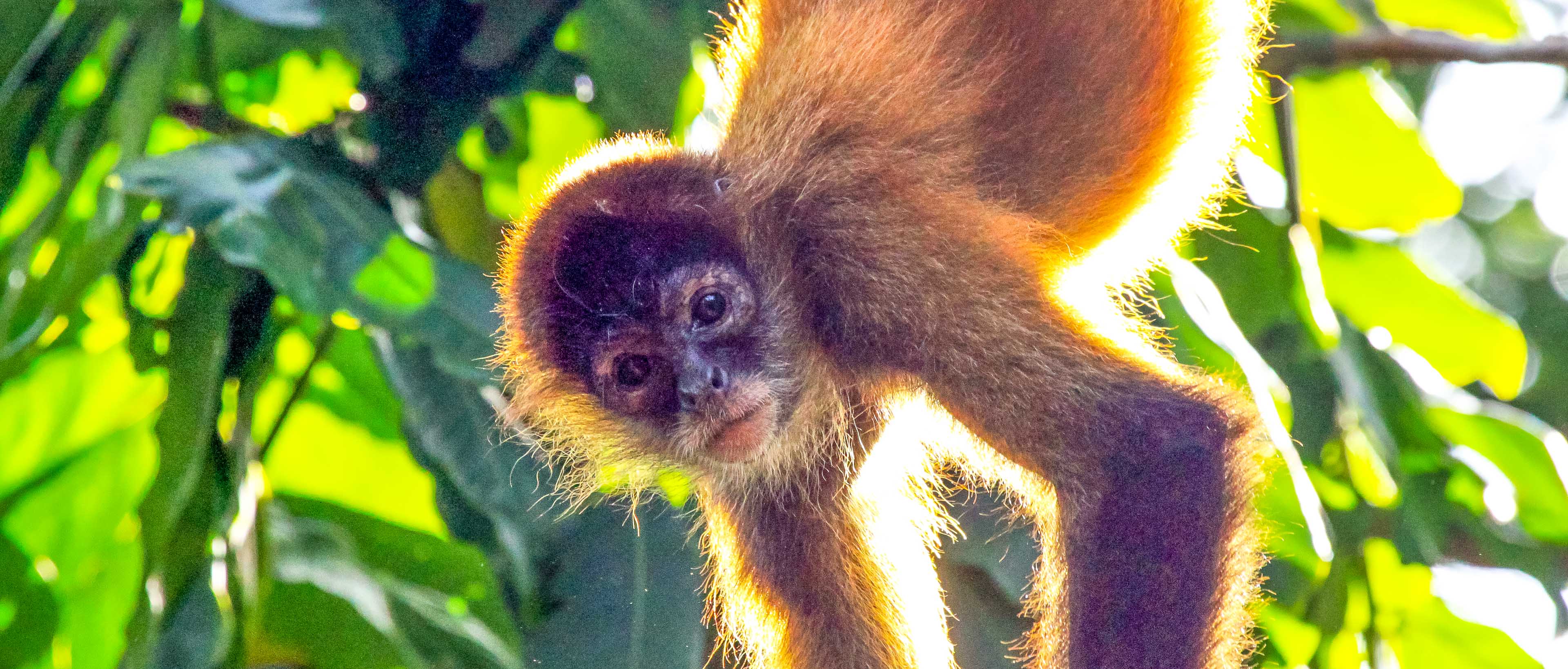
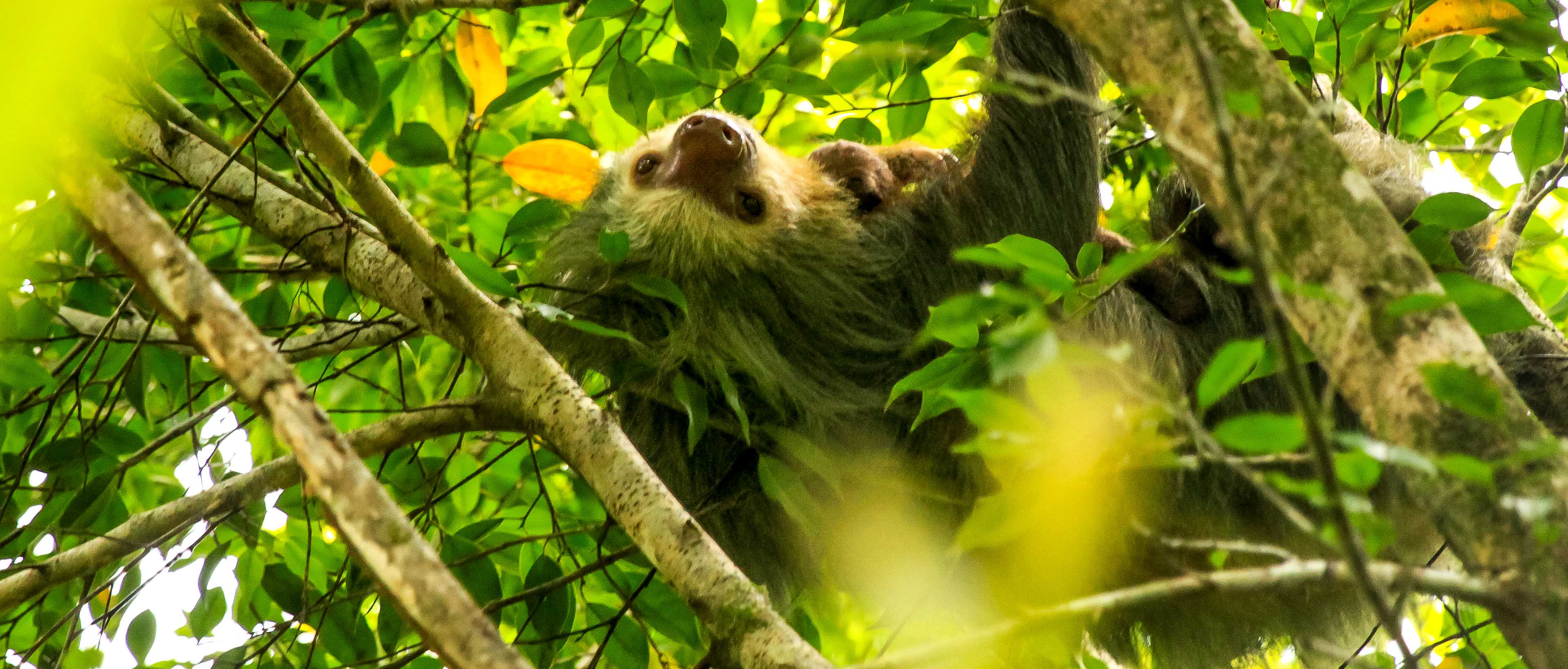
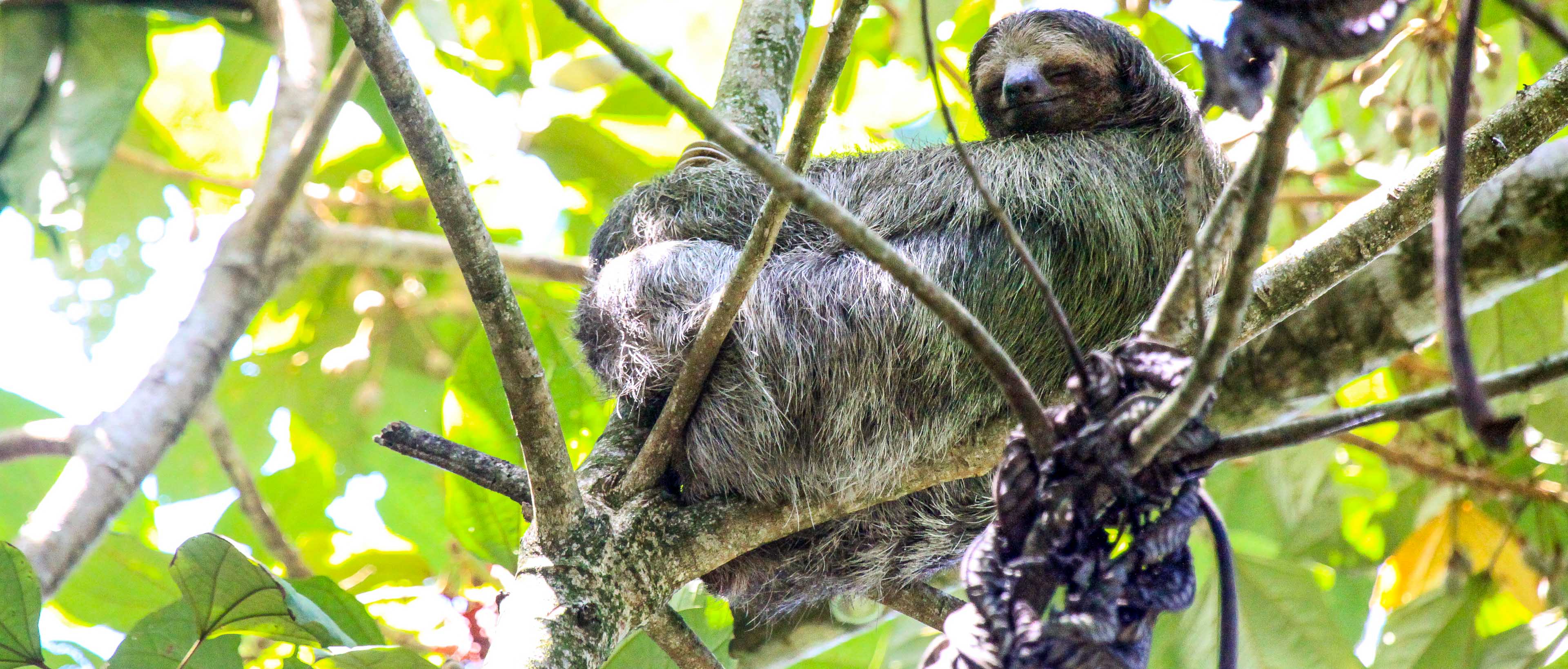
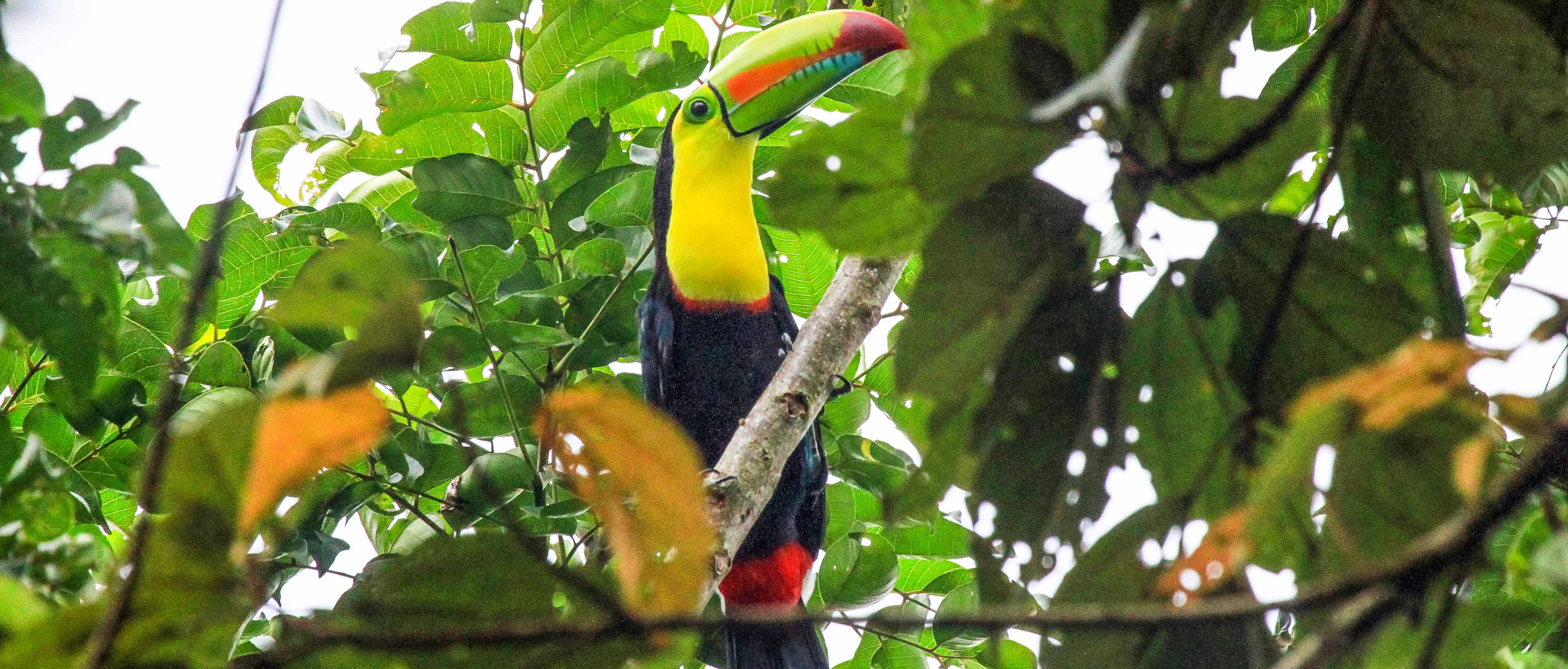
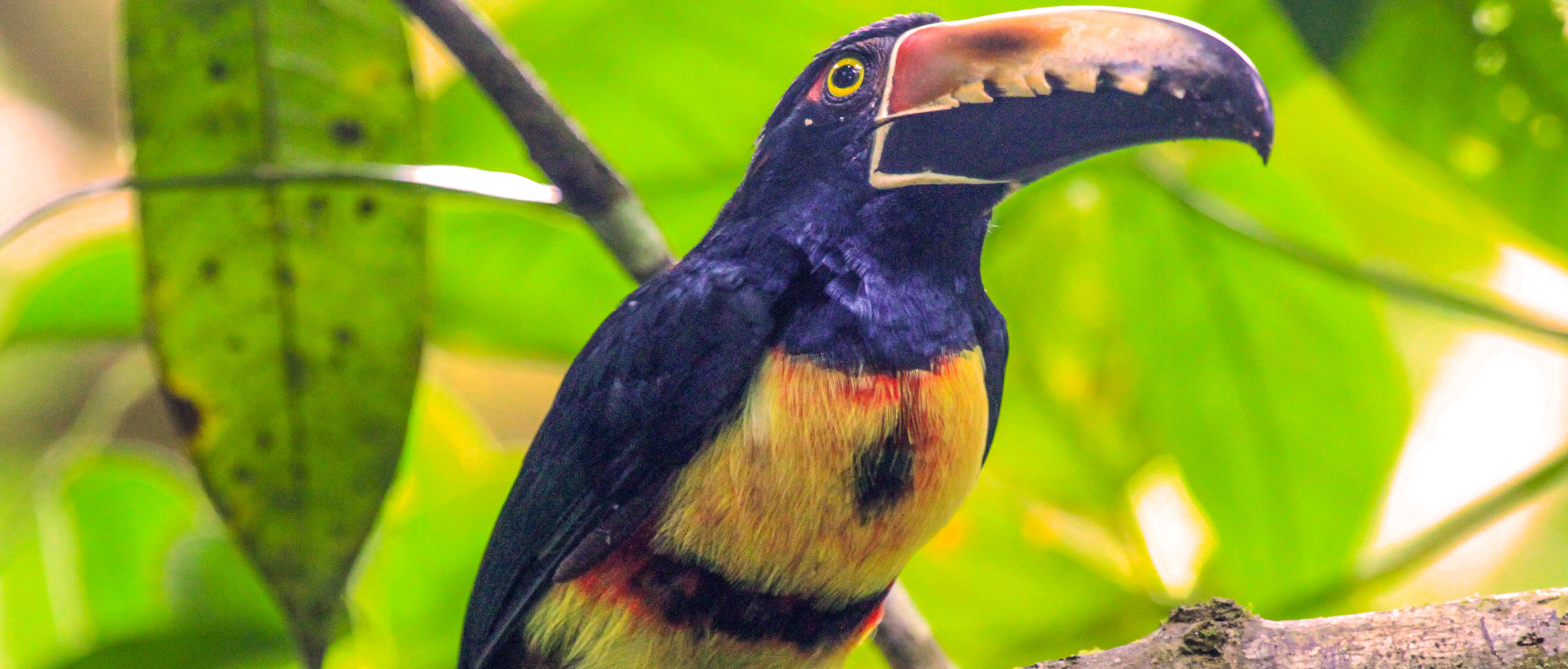
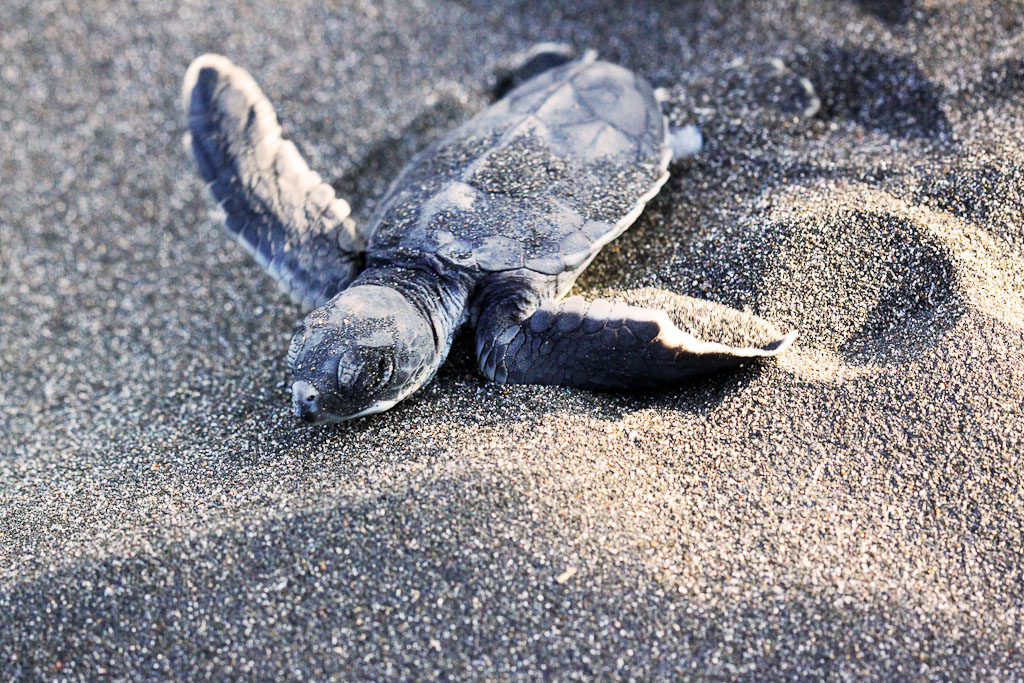
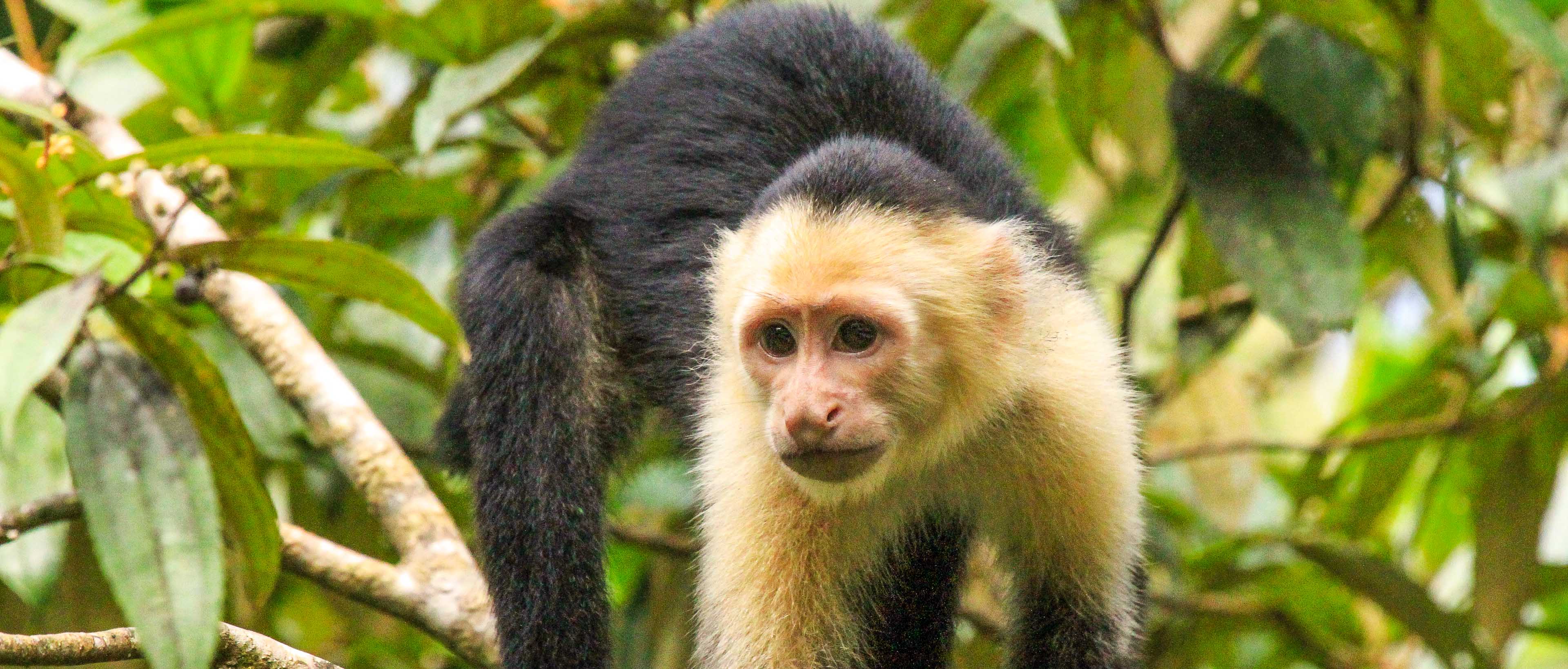
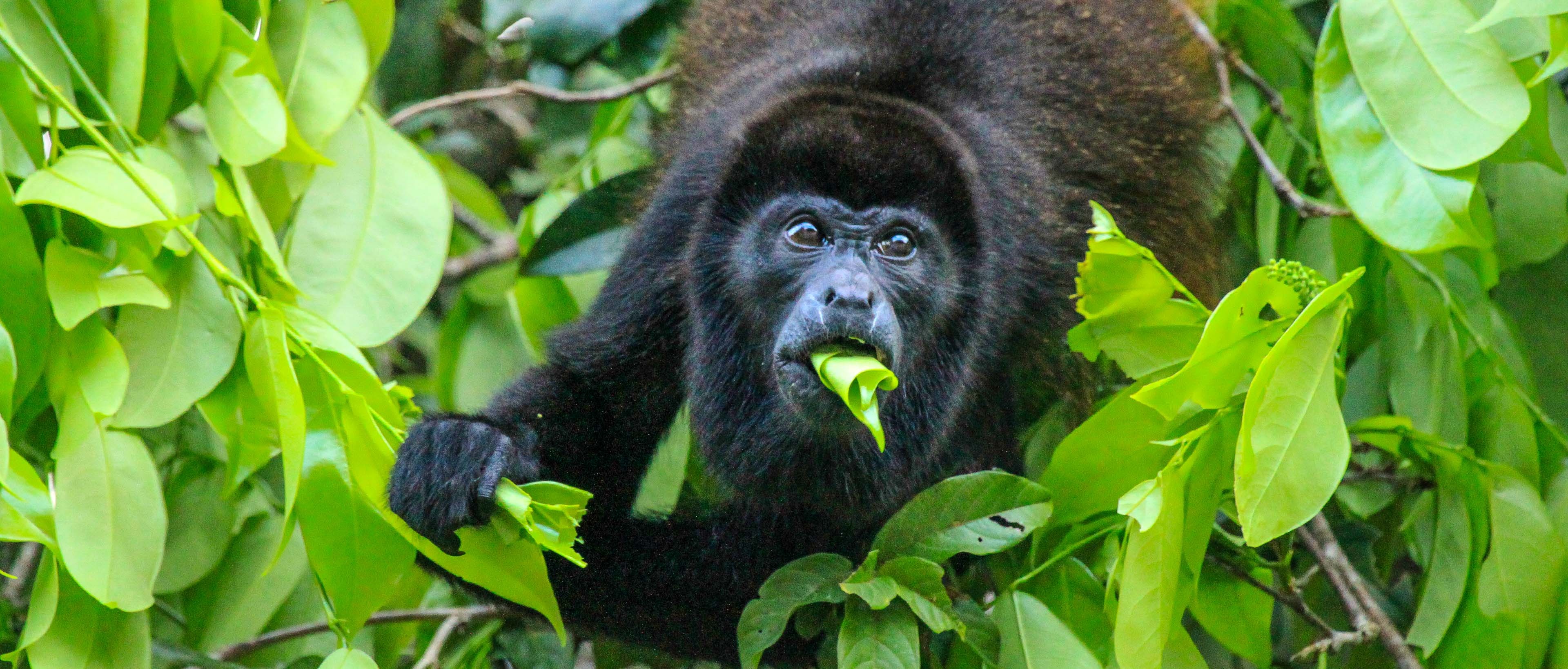
The last vestiges of sawmills sit idly along the main path through Tortuguero village overgrown with ferns and flowers. In the distance, you can hear the roar of the waves where sea turtles emerge in the moonlight to lay their eggs in sandy craters near the top of the beach. On the other side of town, across Tortuguero River, a wall of thick foliage stands 100-feet tall, impenetrable to the naked eye. Inside, Jaguars stalk Costa Rica's largest land animal, the tapir; while howler, capuchin and spider monkeys swing through the canopy, toucans snatch fruit off the trees with their colorful, elongated bills and three-toed sloths sleep the day away.
Snapshot
Summary
Popular destination for turtle nesting tours; picturesque network of river canals; top-notch wildlife watching.
Landscape
Beaches, lowland rainforest, rainforest, river canals, river
Attractions
Nesting sea turtles, Tortuguero National Park
Activities
Bird & wildlife watching, nature tours, turtle tours
Caters to
Couples/honeymooners, families, wildlife enthusiasts
Facts
- Location : 140 miles northeast of San Jose
- Altitude : Sea level
- Weather : Warm and humid with frequent rain showers
- Average Yearly Temperature : 68-88 F
Tortuguero - Everything You Need to Know
Places to Stay
Tortuguero's in the wild bayou of Costa Rica, caught between the beach and the rainforest connected through a series of canals. You'll find the cheapest and most accessible lodging in Tortuguero village, but the vast majority of places to stay are tucked away inside the rainforest along Totuguero's canals. These ecolodges offer all-inclusive stays with round-trip transportation.
Tortuguero village
Tortuguero village has the most affordable accommodations and is the closest to the airport and water taxis – the easiest way in and out of town. Near to the beach and the national park, the village is the most accessible area for budget travelers. You'll find small family-owned cabins (called cabinas in Costa Rica), dorms and B&Bs throughout the village with low- and mid-range options. Miss Junie's is a mid-priced hotel at the north-end of Tortuguero village that offers rooms close to the beach and some of the best cooking in the area.
For $10 to $20 a night, you can find hostels with private rooms or dorms; shared or private bathrooms. Some hostels offer breakfast while others have fully-equipped communal kitchens.
For $50 to $70 a night, you'll find hotels with private rooms, bathrooms, fans and Wi-Fi close to the beach.
All-inclusive hotels in the Tortuguero Canals
Hotels outside of Tortuguero village offer all-inclusive accommodations with packages featuring round-trip transportation, rooms, meals and tours for one to three night stays. While tours vary between lodges, most include a visit to Tortuguero village, a trip into the national park, afternoon or nighttime canal tours and optional canoe/kayak tours. Visitors planning a trip between July 1 and October 31 can sign up for nighttime turtle nesting tours.
For $200 to $300 per night for two people, you'll find ecolodges offering all-inclusive packages, private open-air bungalows and cabins with bathrooms, hot water and fans. Most ecolodges have pools, community areas with Wi-Fi, bars and botanical gardens.
Getting Around
Tortuguero's a unique place to visit. Instead of streets, there are canals. Instead of cars, buses and taxis, there are motorboats, kayaks and canoes. Even in Tortuguero village, there aren't any cars, but that doesn't really matter when the village is only a half mile from one side to the other and all the streets are made for walking.
If you're staying at one of the area's ecolodges and you want to get to Tortuguero village, you can ask the lodge's reception to call a motorboat taxi or you can use the lodge's kayaks or canoes – just make sure you're back before dark; it's easy to get lost in the canals at night.
Services & Facilities
Restaurants, souvenir shops, art galleries and small grocery stores line the streets of Tortuguero village. While you'll be able to pick-up extra batteries, sunscreen, snacks, water and souvenirs, Tortuguero village is a relatively inaccessible area with limited services and facilities.
Tortuguero doesn't have any ATMs so make sure to bring enough cash for your stay.
Phones
Cell phone coverage is limited to Tortuguero village, although you will find coverage at some ecolodges. There aren't any payphones in Tortuguero.
Internet
Most hotels, hostels and ecolodges offer Wi-Fi or computers that connect to the internet.
Banks
Tortuguero doesn't have any banks or ATMs so make sure to bring enough cash for the duration of your stay. Many of Tortuguero's stores and gift shops accept credit and debit cards.
Gas Stations
There are no gas stations in Tortuguero as it is only accessible by boat or plane.
Medical Facilities
Tortuguero has a clinic with limited supplies. The nearest hospital is in Limon.
Post Office
There's no post office in Tortuguero, but many of the area's hotels can send letters and postcards for guests.
Activities
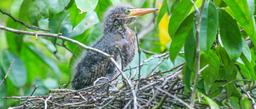
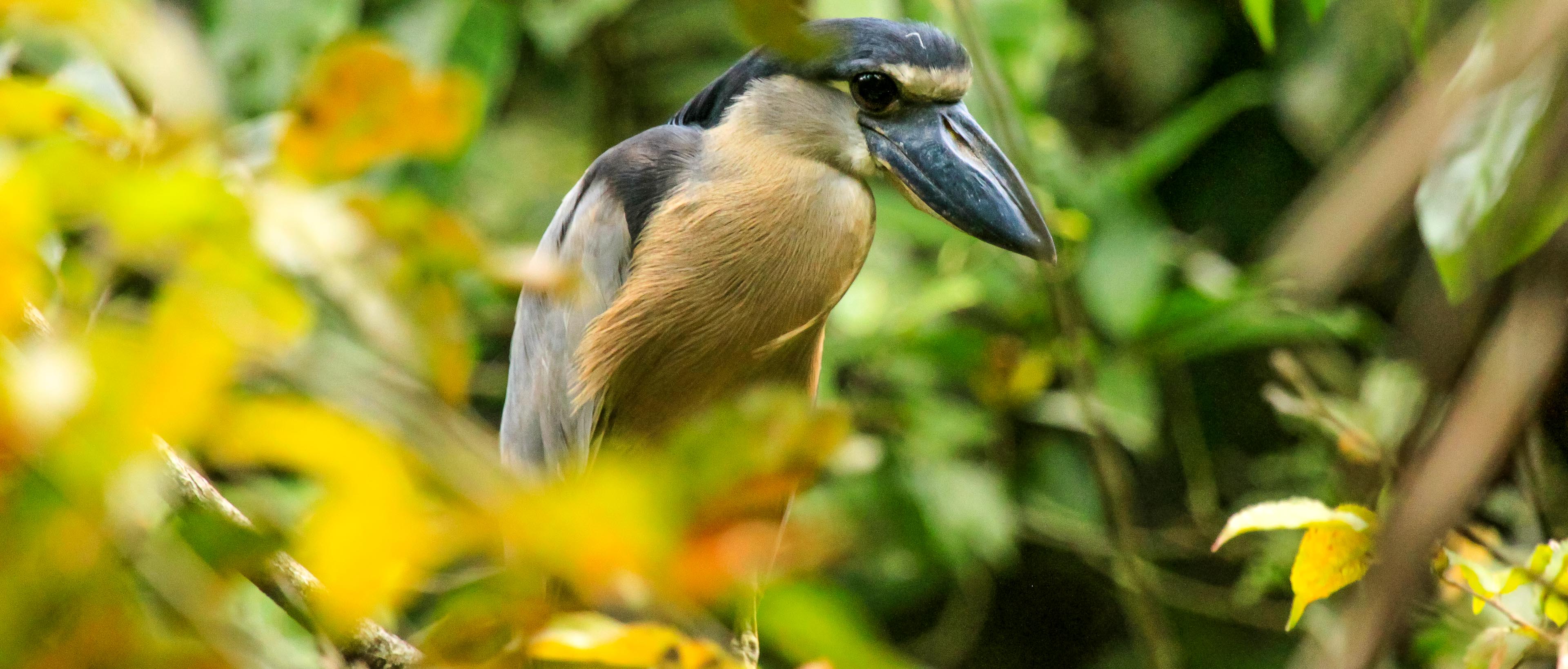
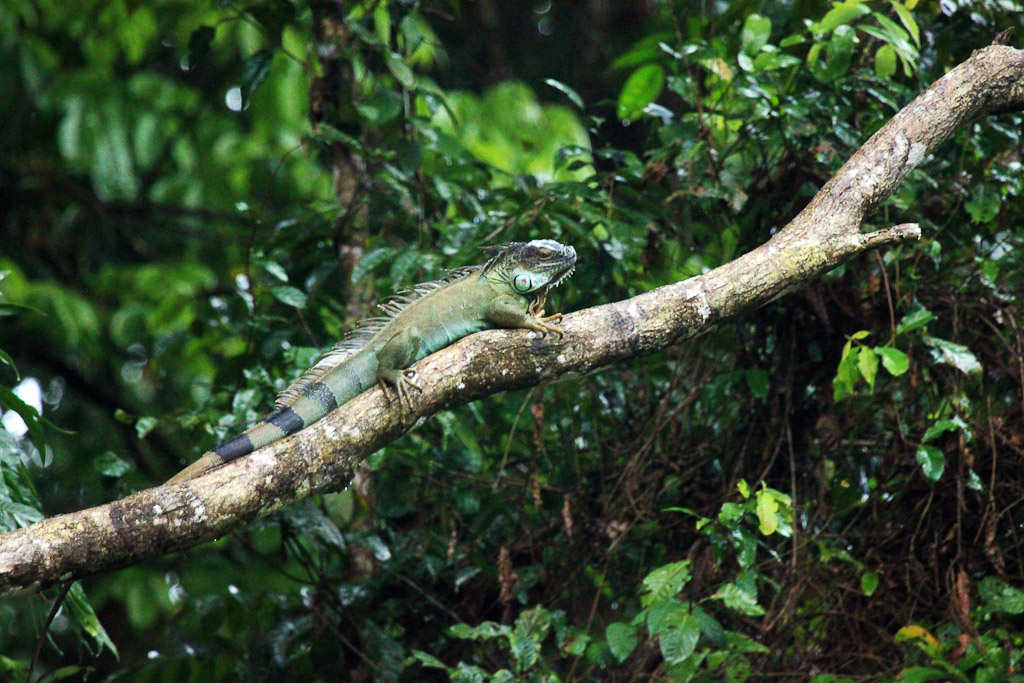
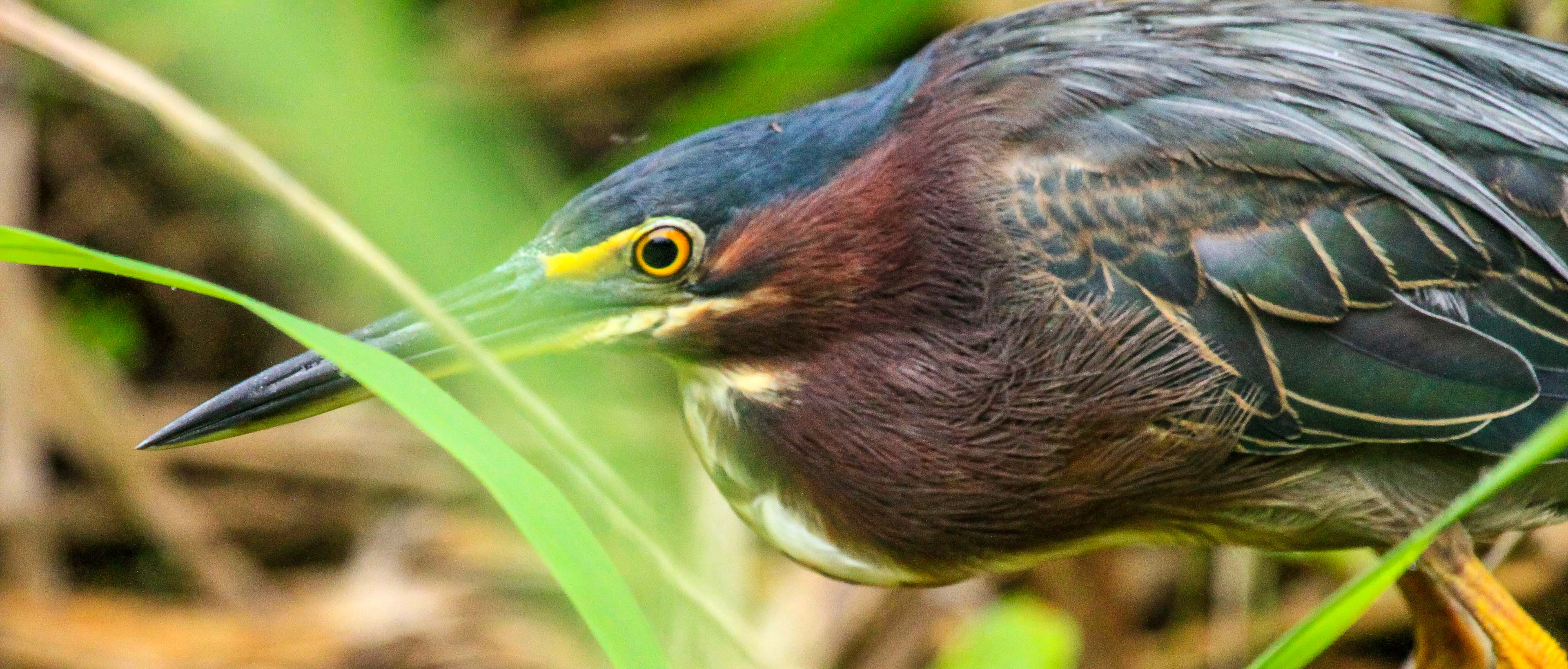
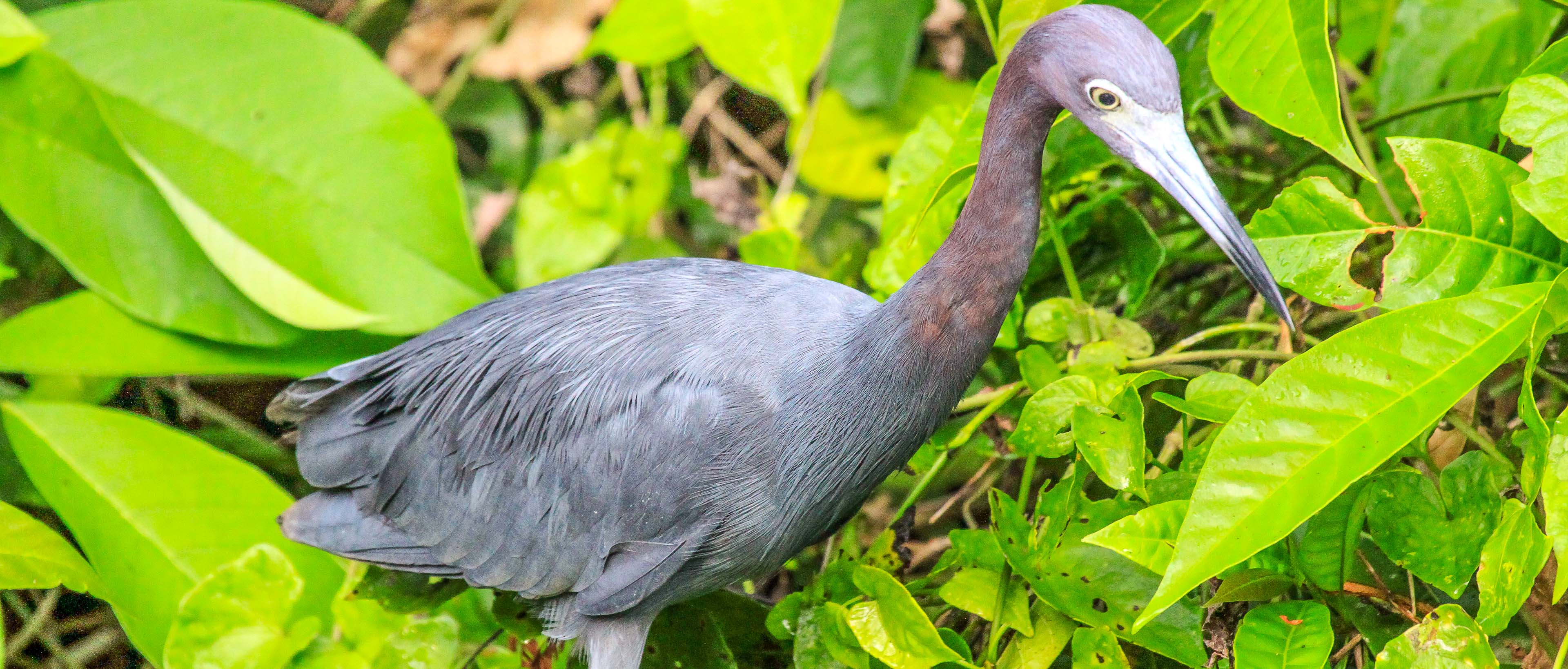
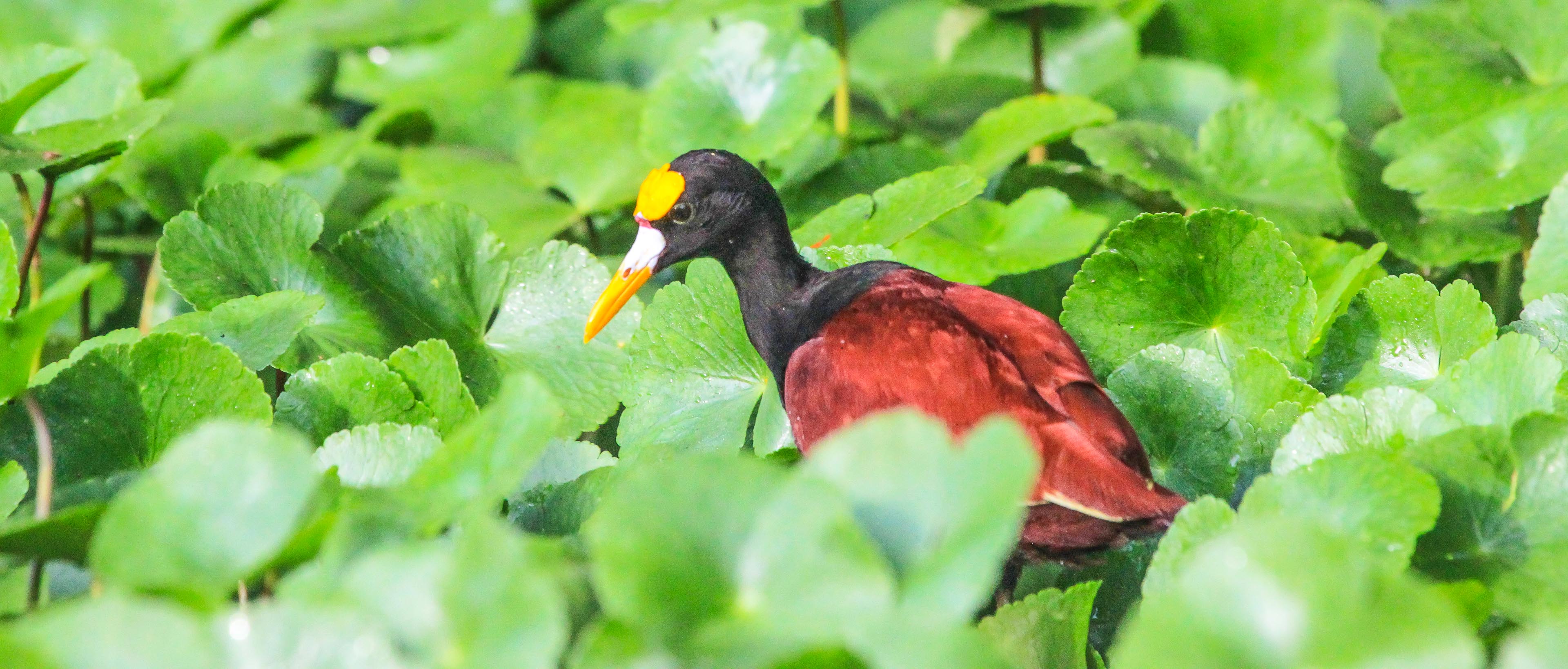
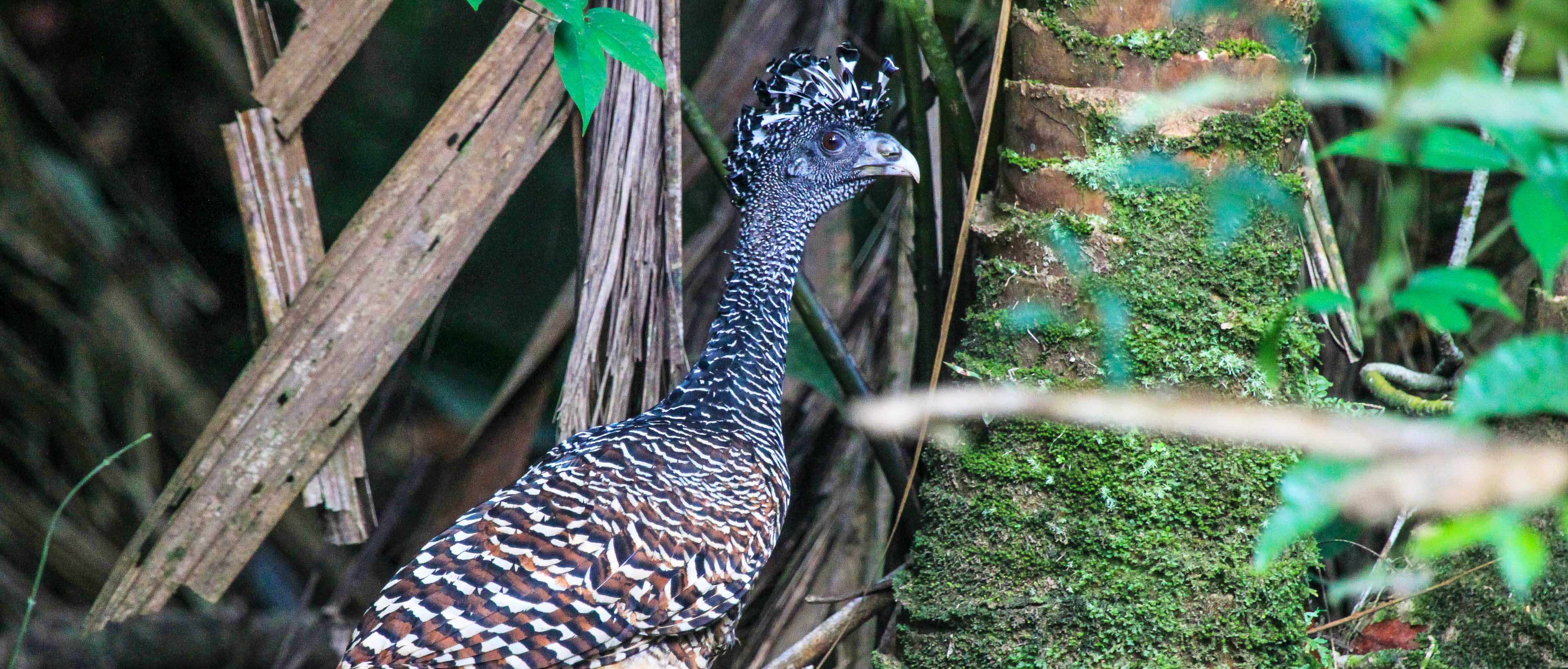
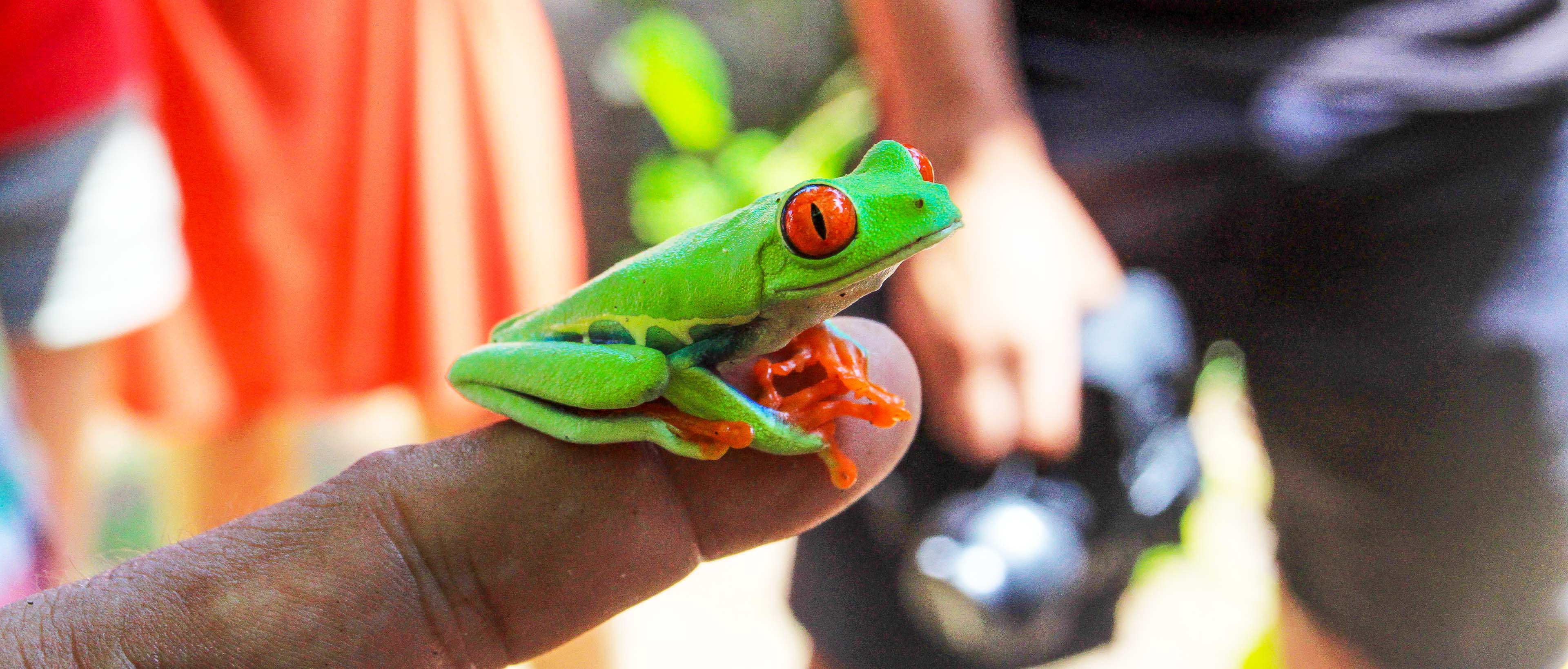
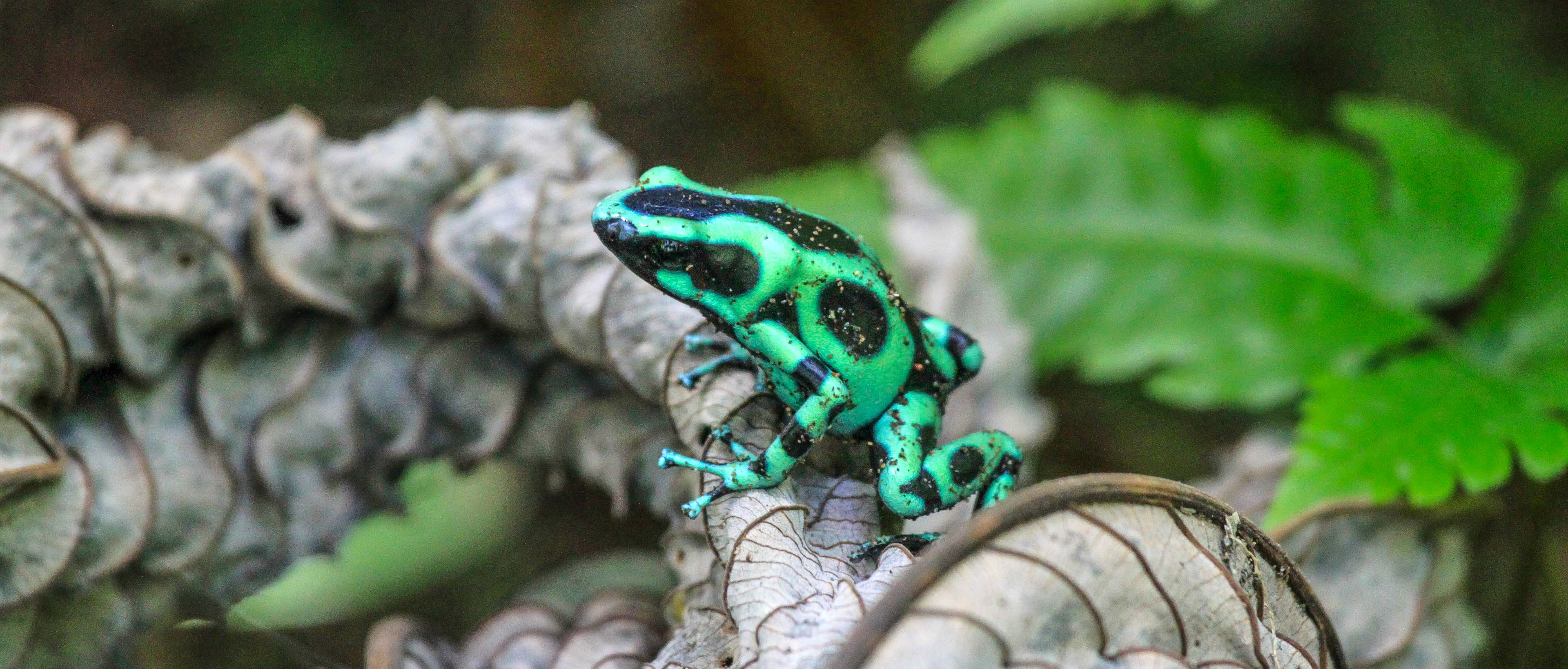
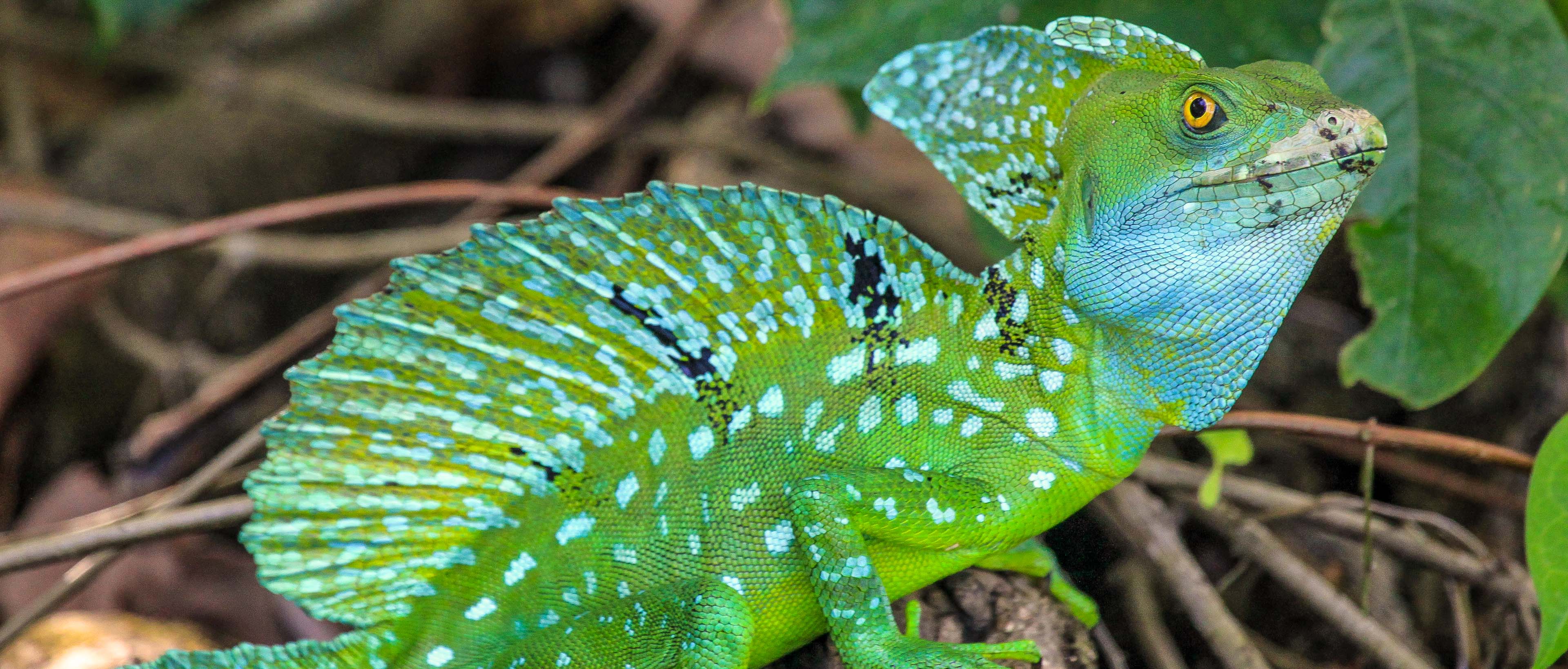
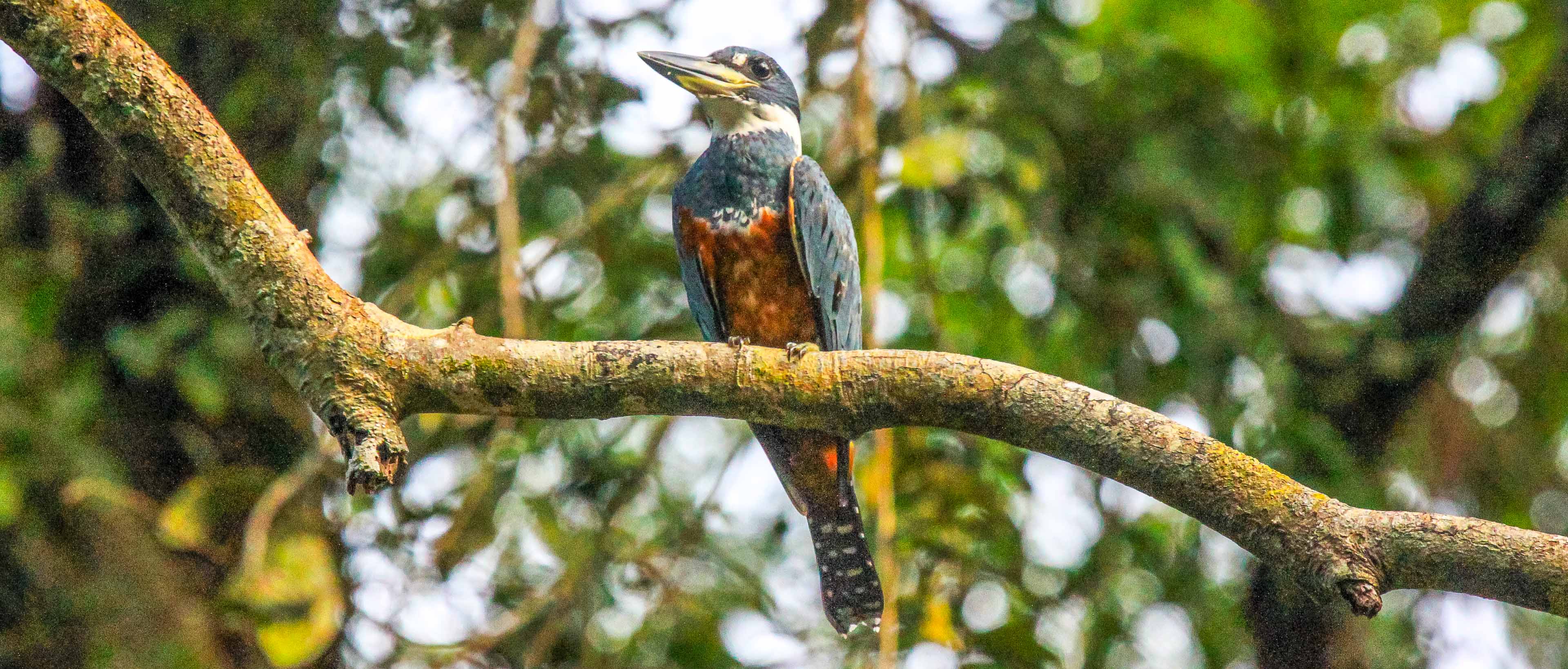
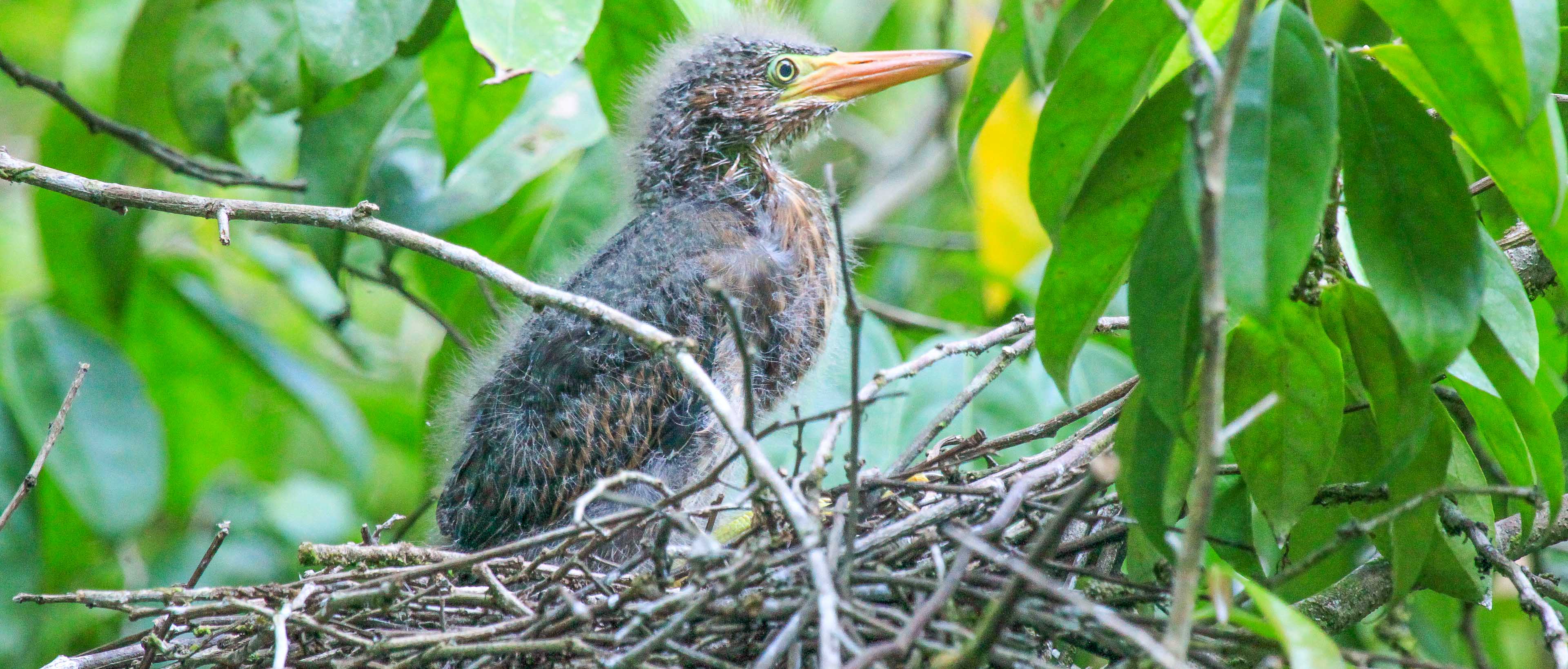
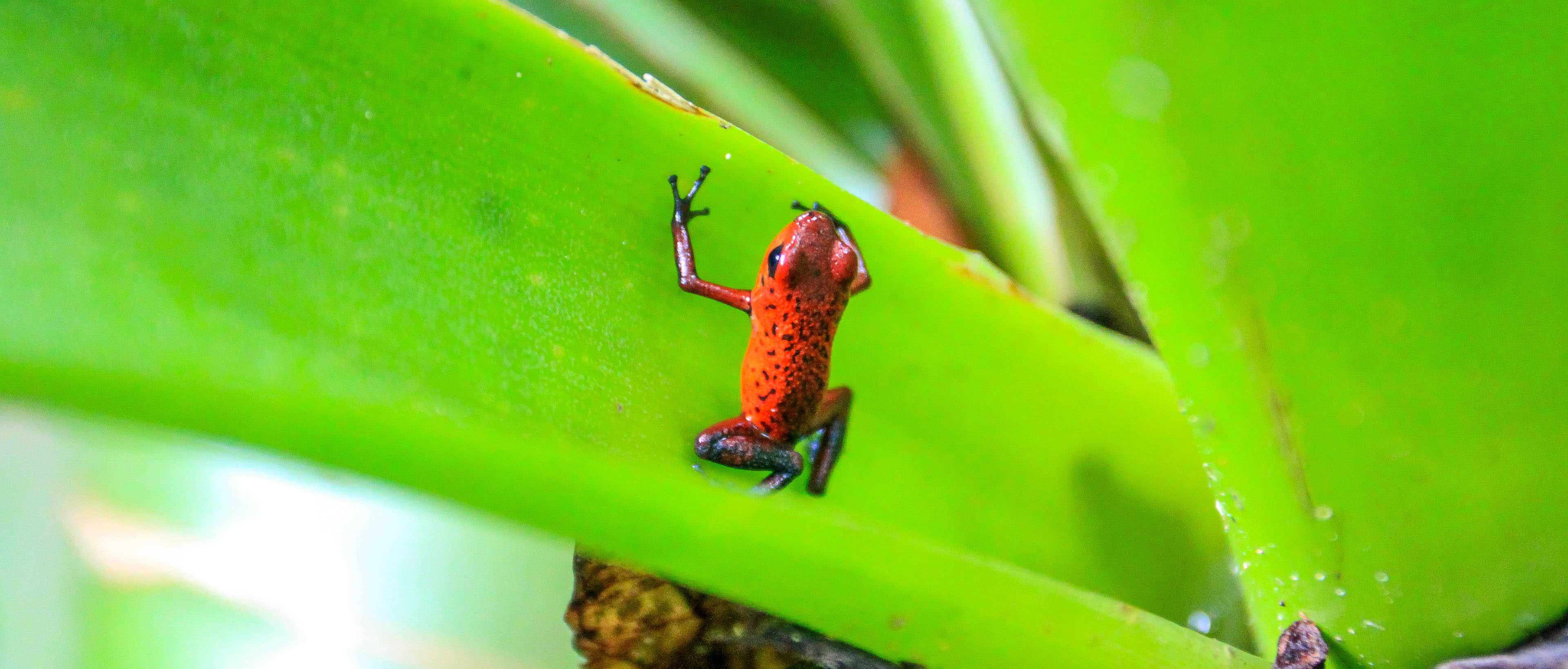
Float down Costa Rica's bayou looking for monkeys, sloths and toucans among the rainforest foliage of Tortuguero National Park. Slip into a canoe or a kayak for a stealthy wildlife adventure or wait until nightfall and join a nighttime canal tour looking for bats, birds, tapirs and elusive kinkajous. Bird watchers will relish waking up early for the more than 375 bird species that frequent Tortuguero including egrets, herons, anhingas, jacanas, king fishers, trogons and endangered species like the green macaw.
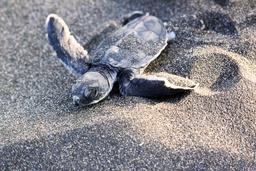
Visit from July 1 through September 30 and you'll have the chance to see green sea turtles on Tortuguero Beach during nighttime nesting tours. Stroll along the beach in the early morning and late afternoon and keep your eyes peeled for baby turtles emerging from their nests and scampering toward the sea. Other than wildlife watching, you can ride zip lines through the rainforest on the Senderos Aereos canopy tour.
Attractions
Walk along the Tortuguero coastline with your bare feet in the sand looking for signs of nesting turtles while watching the sunrise over the Caribbean. Step into Tortuguero village for a bite to eat and explore the flavors of the Caribbean: the food, the architecture and the friendly locals.
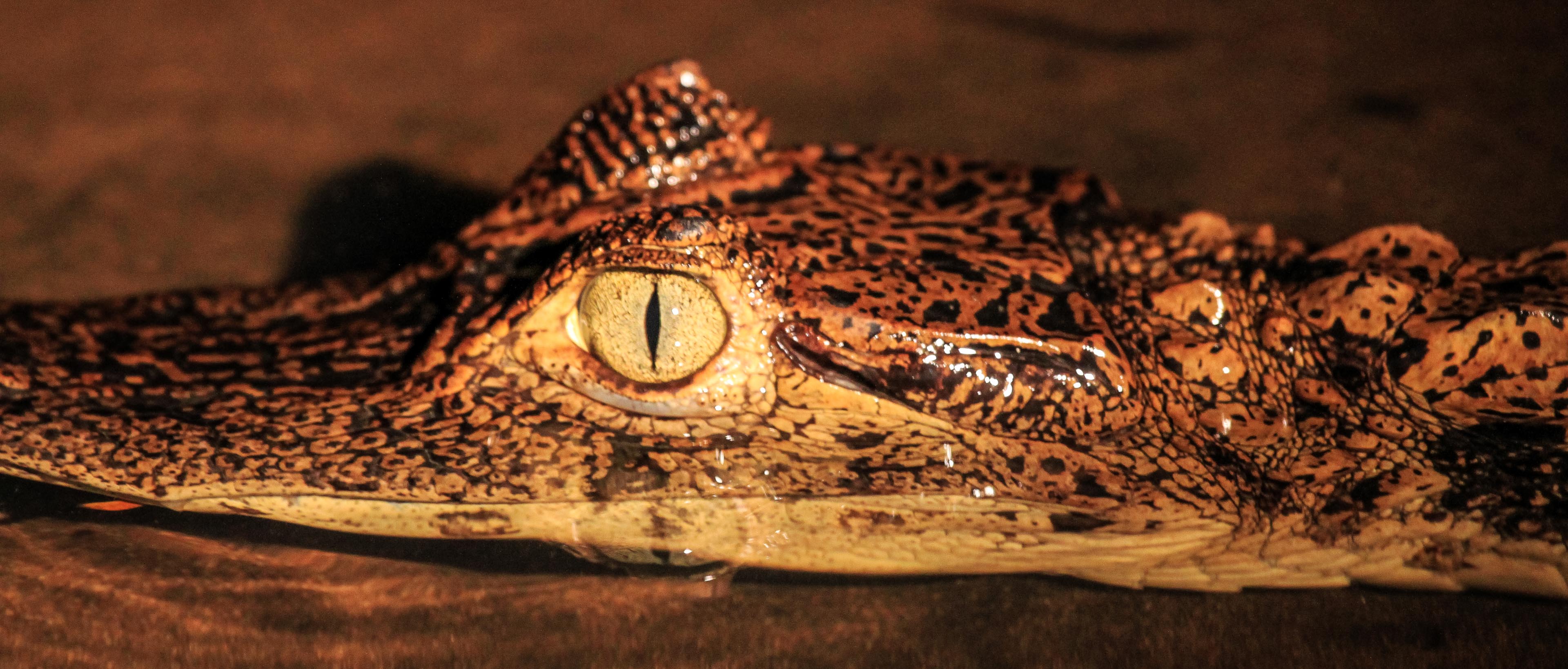
Besides the beach and the town, Tortuguero's main attraction is Tortuguero National Park, a series of interwoven canals through Tortuguero's rainforests, marshes and lagoons. Daily boat tours offer visitors a chance to see some of Costa Rica's unique wildlife including two- and three-toed sloths, anhingas, spider and howler monkeys, otters, toucans, green macaws and if you're really lucky, you might even see a jaguar or a manatee.
Getting There
Secluded in the tropical rainforest along the Caribbean coast, Tortuguero is surrounded by water. Visitors can either fly-in or arrive by boat on one of the many ferries that depart from Cariari, La Pavona, Cano Blanco and Moin docks.
Alternatively, guests at one of Tortuguero's all-inclusive lodges have transportation from San Jose via the ecolodge's private shuttle bus and flat-bottomed river boat included in the package.
Air
Nature Air is a Costa Rica private domestic airline that has daily flights to Tortuguero from San Jose at 6:00 a.m.. Rates and schedules depend on the season; travelers should check for current schedules and prices.
Bus / Boat
All buses to Cariari or Limon stop at the Gran Terminal del Caribe station in San Jose at Avenida 13 and Calle Central. 2222-0610 / 2221-7990 / 2221-2596
From San Jose via Cariari
The cheapest and most common route to Tortuguero is through Cariari and La Pavona.
From San Jose: Buses depart for Cariari (approximately $2.30) from San Jose’s Gran Terminal del Caribe station. The trip takes less than two hours and stops in Guapiles for a bathroom break. From Cariari, buy a ticket to La Pavona (about $1.75) at the central bus terminal. Boats depart for Tortuguero from La Pavona. These public water taxis (approximately $2.80) are timed to meet the buses, so you won't have to wait for long.
From San Jose via Moin
Take the 6:30 a.m. bus to Limon (about $3.30) from Gran Terminal del Caribe station. If possible, purchase your ticket a day in advance as the bus is often full. From Limon, take a taxi to the docks in Moin where boats depart for the Tortuguero canals (the JAPDEVA docks). The cost is roughly $7 for the six-mile trip to the docks.
In Moin, boat fares can vary from $30 to $50 per person. These are water taxis that don’t have a set daily schedule. The return trip to Moin departs Tortuguero at around 10:00 a.m and arrives in Moin before 1:00 p.m. This will give you plenty of time to get back to San Jose during daylight hours.
Restaurants & Nightlife
If it's your first time to Costa Rica's Caribbean coast, then you've got to try the food. Tortuguero village has plenty of small, family-owned restaurants and cafés where you can enjoy the local flavors, most of which include coconut. Or at least, that seems to be the secret ingredient that makes the cuisine so different from the rest of the country. Even the rice and beans are simmered in coconut milk giving them a certain savory-sweetness that makes it worth a trip into town from one of the nearby ecolodges.
Our favorite dish though is the Caribbean-style chicken, slow cooked in herbs, spices and coconut milk often served with crispy, golden pancake-shaped patacones (fried green plantains). While you can find Caribbean-style cuisine at nearly every restaurant in Tortuguero, our favorite place is Miss Junie's, a century-old restaurant run by one of the first families to settle in Tortuguero.
Tortuguero's not exactly known for its nightlife. You'll find one night club near the town center by the river; just follow the sound of the music and look for the disco lights after the sun goes down.
Gallery
















Vacation Packages
5 Day Coast-to-Coast Rainforest Beach & Turtles
Immerse yourself in the Pacific and Caribbean rainforests of Costa Rica. Chase wildlife and play in the waves in Manuel Antonio National Park. Bask in the sun at Espadilla Beach. Try your luck searching for ...
ContinueTours
Tortuguero's all-inclusive tour packages
Flecks of red heliconia hang like vertical piano keys and golden butterflies dawdle in the breeze illuminated against the green walls of jungle as you pass down the Rio Suerte on motorboat. The Rio Suerte, and a few ...
ContinueTortuguero Canopy Tour
Behind the Tortuguero National Park, Senderos Aereos leads guests across zip lines into the thick of Tortuguero's secondary rainforest where light plunges through the canopy like fresh squeezed pasta pooling on the ...
ContinueAttractions
Tortuguero National Park
Amaretto water dusted with leaves flows around the gnarled arms of fallen trees through arteries pumping life into the planet's lungs. The buttresses of wild almond and gavilan trees claw at the waters' edge, ...
ContinueTortuguero Beach
The fallen coconuts, driftwood and the broken ping-pong ball shells of sea turtle eggs strewn across the pale Gainesboro sand are there to remind you that this is the Caribbean, and this 22 mile-stretch of beach is ...
ContinueLast updated: Nov 3, 2023
Experiences in Tortuguero
- Tortuguero Conservation Tour
- There are Always the Monkeys
- Evacuation from Tortuguero
- Sport Fishing & A Canal Tour
- Leaf Cutter Ants Working in the Rain
- Wild for Wildlife
- A Late Turtle Hatchling & The Trip Home

 91°F
91°F Tortuguero Yearly Temperatures
| Month | Highs | Lows | Average |
|---|---|---|---|
| Jan | 84.56 | 69.26 | 77 |
| Feb | 85.82 | 68.9 | 77.36 |
| Mar | 86.72 | 69.62 | 78.26 |
| Apr | 87.8 | 71.06 | 79.52 |
| May | 88.34 | 72.86 | 80.6 |
| Jun | 88.88 | 73.22 | 81.14 |
| Jul | 87.08 | 72.86 | 80.06 |
| Aug | 87.98 | 72.5 | 80.24 |
| Sep | 89.78 | 72.32 | 81.14 |
| Oct | 89.42 | 72.32 | 80.78 |
| Nov | 86 | 71.24 | 78.62 |
| Dec | 84.92 | 70.34 | 77.72 |
Tortuguero Rainfall
| Month | Rainfall | Humidity | Rainy |
|---|---|---|---|
| % | Days | ||
| Jan | 15.84 | 92 | 26 |
| Feb | 8.18 | 90 | 17 |
| Mar | 8.85 | 90 | 20 |
| Apr | 8.34 | 89 | 18 |
| May | 16.25 | 91 | 22 |
| Jun | 14.38 | 92 | 21 |
| Jul | 19.73 | 93 | 26 |
| Aug | 13.2 | 92 | 23 |
| Sep | 6.72 | 90 | 19 |
| Oct | 10.17 | 91 | 23 |
| Nov | 19.85 | 93 | 24 |
| Dec | 22.08 | 94 | 25 |