Costa RicaCosta Rica

Search For Travel


Southern Caribbean Dive Summary

Last Updated: Jun 16, 2011

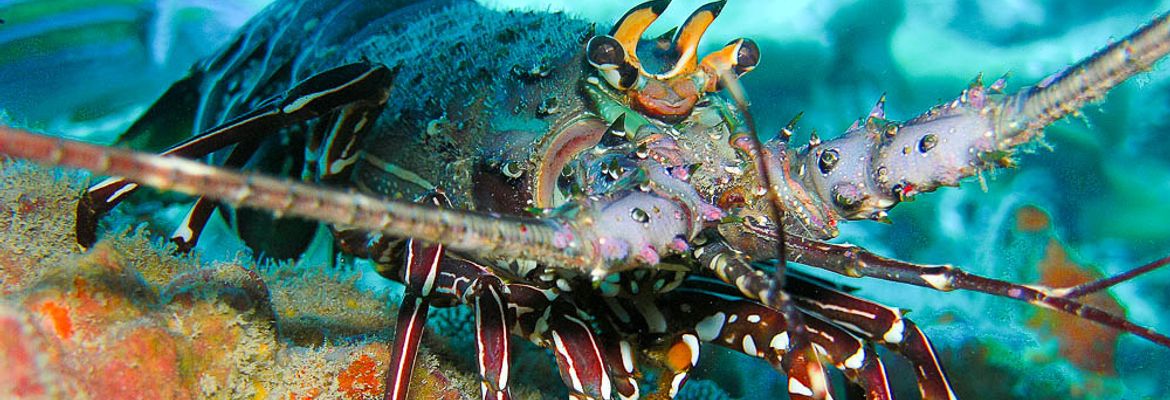
lobster underwater
 - Costa Rica

The southern Caribbean is home to Costa Rica's only two living reefs, which support an impressive 35 species of coral, 11 types of sponge, 27 varieties of algae, 34 kinds of mollusk, and 400 species of fish. Angelfish, parrotfish, anemones, crabs, starfish, sea fans and sea cucumbers are frequently encountered, along with sea turtles and Atlantic tarpon. Consistently warm waters and very little surge make underwater exploration a pleasure. The best times to dive are March through May and September to October.

Extraordinarily tranquil and vivid dive sites can be found at Punta Uva, just south of Puerto Viejo; and Punta Mona, an island near the Gandoca-Manzanillo Wildlife Refuge. Though it had suffered significant damage in the past few decades, the coral reef in Cahuita has been making a remarkable recovery due to stringent protective measures. However, a fairly recent threat to the underwater wonderland – the lionfish – has begun to rear its ugly head.

One lionfish can effortlessly destroy up to two and a half acres of reef in as little as five weeks. Divers should take care to report sightings to local dive shops in order to help conservation efforts control this problem before it becomes an epidemic. (Not to mention that the lionfish is one of the most venomous fish in the ocean – divers beware!)

General Information

  • Aquatic Life: Sea turtle, lobster, grouper, yellowtail, Atlantic tarpon, purple barrel sponge, fan coral, black coral, trunk fish, lionfish, nurse shark, chub, snapper, angelfish, seahorse, parrotfish, sea anemone, crab, gamma fish, starfish and sea cucumber.
  • Average Visibility: 10 to 100 feet.
  • Best Time of Year: March - May and September - October. 
  • Skill Level: All sites are suitable for divers of all levels, with the exception the Labyrinth, which is for intermediate to advanced divers.
  • Surge/Current: Currents are predominantly calm. The shallow waters and dive sites near the shore can become agitated when a storm is brewing.
  • Thermoclines: Thermoclines, (steep temperature gradients that can be felt while descending through layers of water), are not present.
  • Water Temperature: 86°F
  • Wetsuit Recommendation: Wetsuits are preferred year-round to protect against stings and scrapes, but are not required.

Dive Sites 

(Travel times are estimated from Puerto Viejo by boat unless otherwise noted.)

A. Cahuita Reef: One of Costa Rica's only living coral reefs, Cahuita hosts an array of colorful aquatic life. Fan corals are particularly beautiful here. Travel Time: 20-30 minutes.

B. Long Shoal: Home to thriving coral gardens, this secluded site attracts large numbers of moray eels and the occasional lionfish. Depth: 20-80 feet; Travel Time: 10 minutes.

C. El Chino (The Chinaman): Lobsters and small tropical fish are common at El Chino. Depth: 10-20 feet; Travel Time: 5 minute swim from the shore.

D. The Labyrinth: A beautiful maze of rock and coral tunnels is located just a short swim from Puerto Viejo's park, or “parqueo.” It is a fantastic place to see bright fish, rays, lobsters, and soft corals. Skill Level: intermediate to advanced (divers must have good buoyancy to avoid damaging living coral). Depth: 30-50 feet; Travel Time: 5 minute swim from shore.

E. Ned's Beard: Named after the local dive master who discovered it. Depth: 20-30 feet; Travel Time: 5 minute swim from shore.

F. Urchin Bag: As its name implies, this site is overflowing with urchins – particularly sea porcupines. Depth: 20-40 feet; Travel Time: 5 minute swim from shore.

G. Salsa Brava (Hot Sauce): Salsa Brava isn't just for surfers. In addition to wildlife watching, it is highly entertaining to observe surfers riding these huge waves from an underwater perspective. Expect to see lobster, midnight parrotfish, and barracuda throughout a number of shallow caves. Depth: 20-30 feet; Travel Time: 5-10 minutes.

H. Island Reef: This shallow locale is often frequented by sting rays and nurse sharks. Nudibranchs and fire worms are also common. Depth: 20-45 feet; Travel Time: 5 minutes.

I. Chiquita Banana: Populated with small tropical fish and various corals, Chiquita Banana is an easy dive – perfect for beginners and underwater photographers. Depth: 20-40 feet; Travel Time: 5 minutes.

J. The Wall: Also known as “Seahorse Stables,” in honor of the purple and yellow seahorses that live among these corals. Divers begin by dropping down the reef about 75 feet and working their way up. Depth: 30-80 feet; Travel Time: 10-15 minutes.

K. Coral Garden: Black coral, fire coral, and a slew of soft corals can be found at the Coral Garden near Punta Uva. Yellowtail and lobster are also abundant. Depth: 30-85 feet; Travel Time: 15 minutes.

L. Pinnacle: An especially deep reef that hosts nearly every species of fish found along Costa Rica's Caribbean coast. Depth: 75-90 feet; Travel Time: 15 minutes.

M. The Holes: This site is essentially a shallow hole about 30 feet below the surface. It was created by an earthquake back in 1991. The field of nooks and crannies inside provides ideal hiding places for sea anemones, crabs, lobsters, and small fish. Depth: 25-40 feet; Travel Time: 15 minutes.

N. Punta Mona (Lovely Point): A pristine dive site near Manzanillo, Punta Mona is possibly the most isolated in the area. Extremely clear waters create delightful diving conditions. The area is also the site of a completely sustainable living community, which is no doubt partly responsible for keeping nearby waters immaculate. The best time to visit is during September and October. Depth: 30-65 feet; Travel Time: 1-1.5 hours.

comments powered by Disqus

Stay Connected

Get updates, special deals and our monthly newsletter!

Subscribe to Topic